Potmarge

Whenever I explore a place I haven’t been to before, I find it very exciting to see what grows there. It takes a little while to adjust one’s eyes, ears and nose to a novel environment, a bit like walking back indoors from having been in the sun.

Yesterday evening I arrived in my home town Leeuwarden, where I have never foraged before. So I had no idea what to expect this afternoon on my walk around a lovely area called ‘Potmarge’, which is basically a waterway flanked by shrubs, trees and grass. Being The Netherlands, of course there is a cycle route through it as well! First thing I noticed was a massive carpet of wild garlic, enough to supply the city:
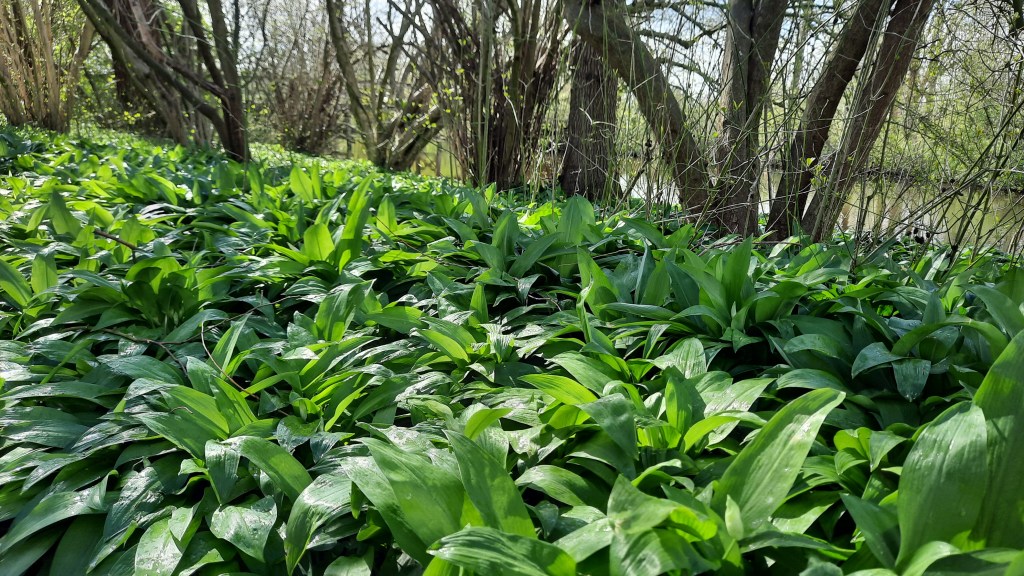
Wild garlic

It seems that the natural world is a bit further ahead in The Netherlands than it is in the UK. Some trees already had leaves, and the Rosebay Willowherb (another useful edible!) was coming up above the soil. On a tree stump, some remnants of Turkey Tail mushrooms were visible. These can be dried, ground to a powder and used to make tea:
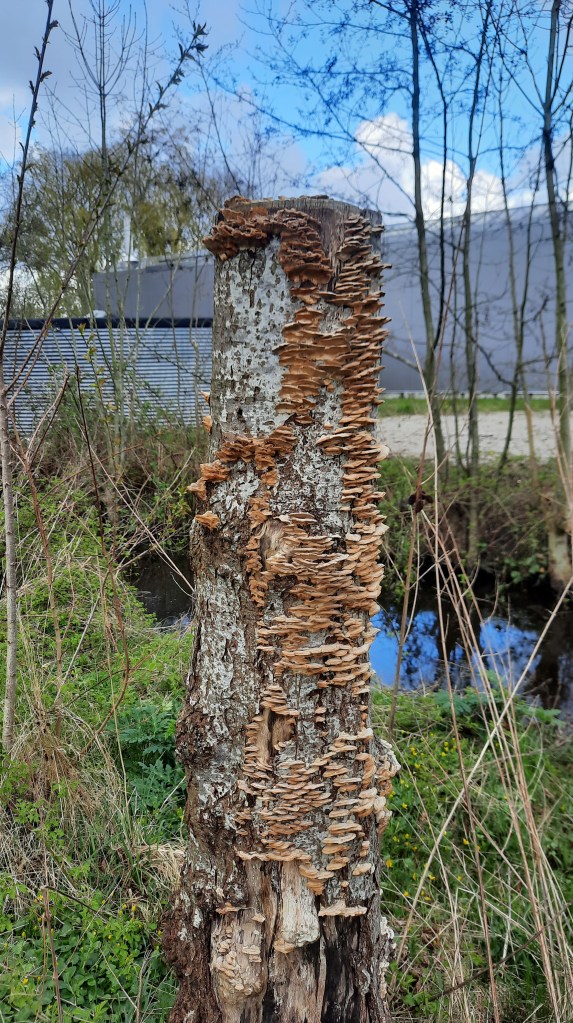
Turkey Tails

To my delight, in the grass there were some lovely Oxlips. The young leaves can be eaten and apparently are good for relieving insomnia and headaches. Despite suffering from that a bit today, I didn’t pick them as there weren’t very many.
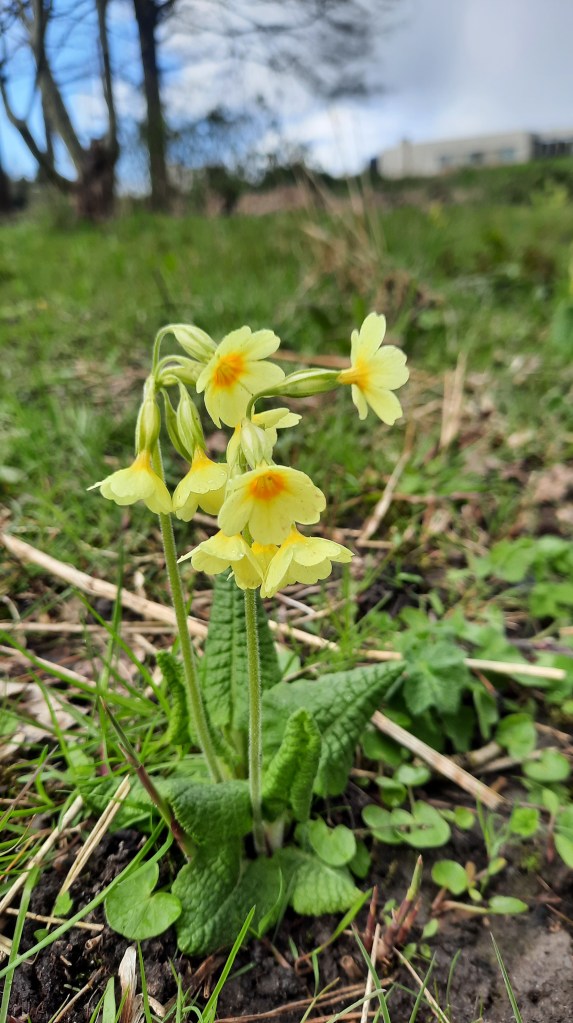
Oxlip

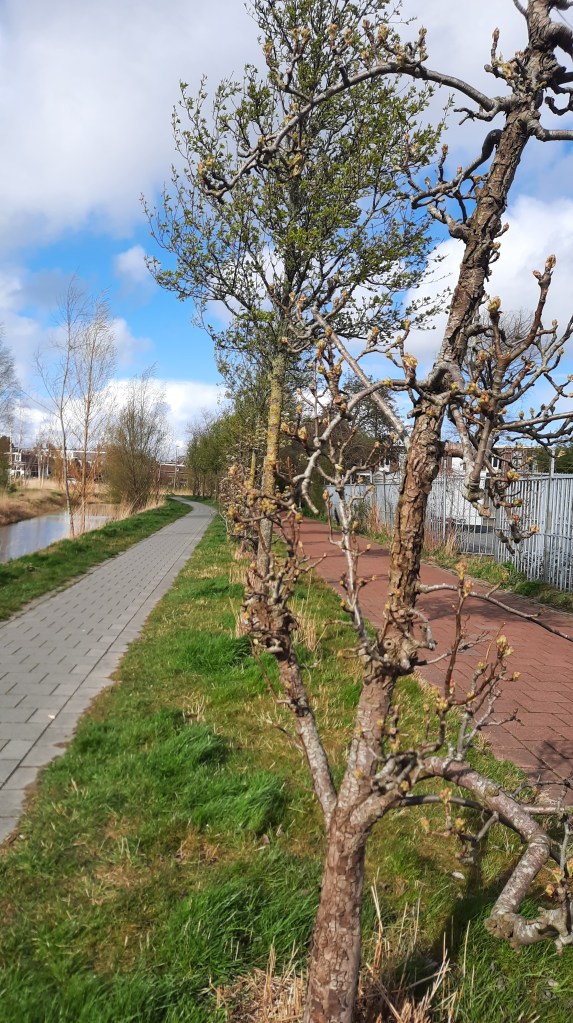
Finally, I came across a wonderful thing: an orchard road in the true sense of the word! In the Potmarge they’ve planted fruit trees (apple, pear and kiwi) along the cycle path, with an explicit notice saying that everyone can eat from this. Foraging brought to you on a plate! I wonder how this works in practice and whether people are considerate of others when picking. I hope so.
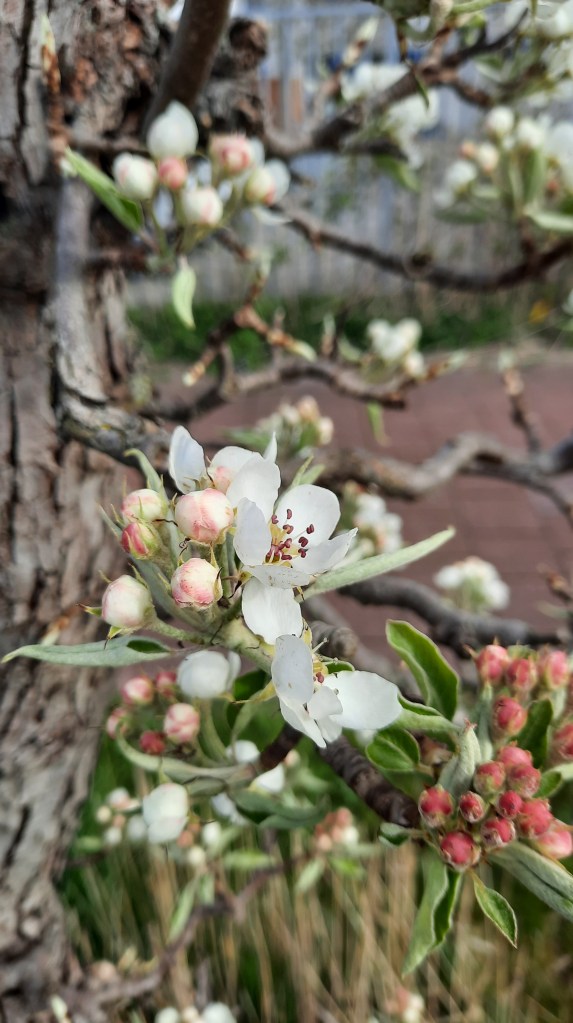
Pear blossom
‘Orchard Road’

Surprise find

While picking butterbur and wild garlic last night, I suddenly spotted a mushroom! In my mind I’m only looking out for St. George’s mushroom at this time of year, so this was a lovely surprise. I had it for breakfast with just some salt and pepper. It’s a Spring cavalier, and not very common.

Spring cavalier (Melanoleuca cognata)

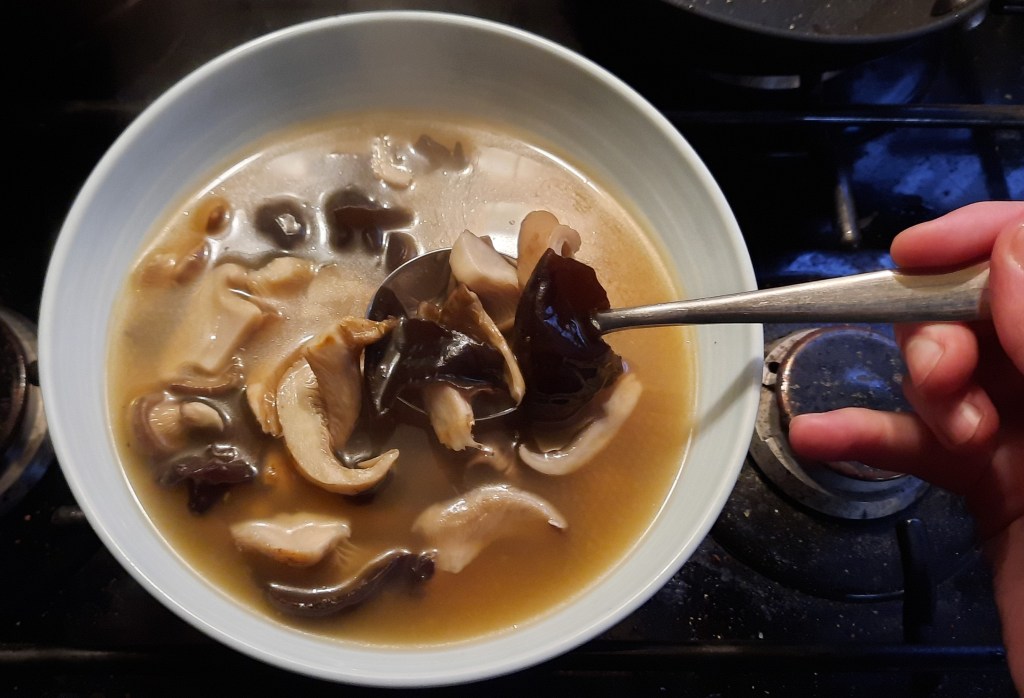
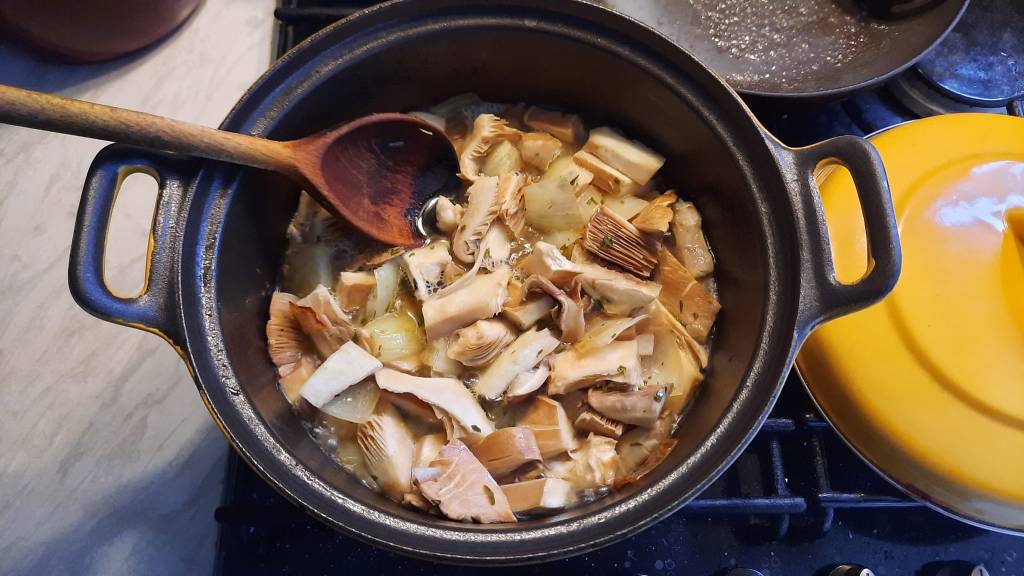
Then on a very wintery walk at lunchtime I came across more Jelly Ears (fixed to an elder branch I’d been keeping a watchful eye on), and further along grew the perfect accompaniment: Ground Elder! They made the perfect aromatic soup:

Jelly Ear and Ground Elder soup

Honestly, I wish I could add ‘smell and taste’ to these pictures – it was delicious!

So, this was just a quick update as it proved to be such a culinary day. Next time I’ll be reporting from The Netherlands where I’ll be this weekend. Who knows was delights are growing there!

Wine

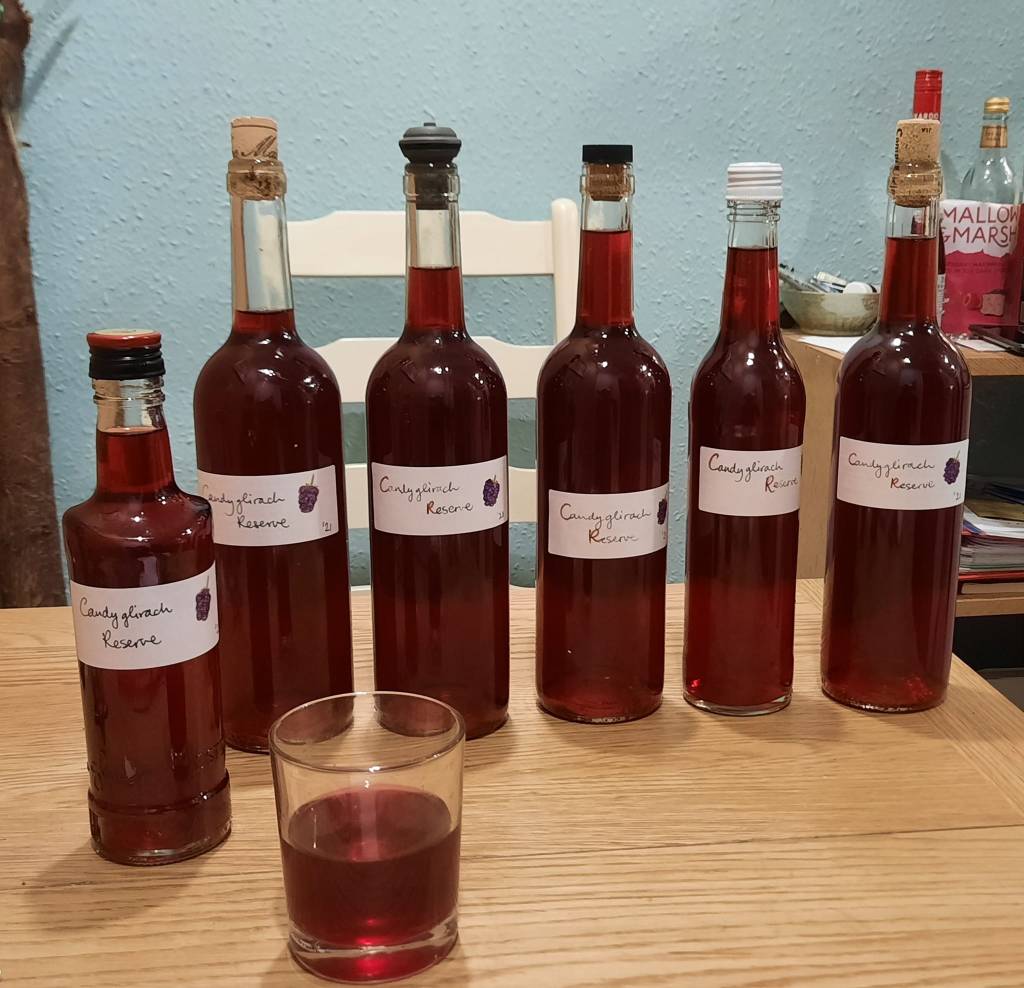
As I’m typing this, I’m sipping from a glass of delicious blackberry wine! Last summer produced a glut in pretty much all fruits, and with 2kg of blackberries (from a single bush!) still in our freezer, we decided to turn in into a wonderful alcoholic concoction. I don’t quite know what percentage it is, but going by the way the letters are dancing on my computer screen, I’d say about 12 ;-). We called it Candyglirach Reserve, named after the location the blackberries were picked.

Candyglirach Reserve

We tasted some other delights today as well. Early this morning I walked round the James Hutton Institute and found White Butterbur and Wild Garlic in abundance. I took a video to show you:

The resulting dish was delicious:

Stir fried butterbur stalks and wild garlic

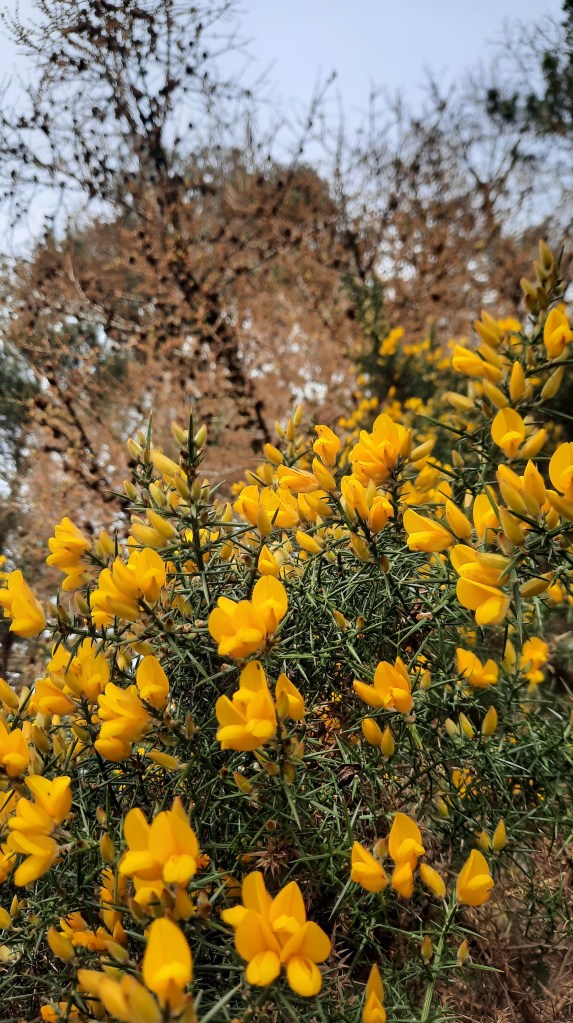
In the afternoon we cycled out to Leuchar Moss to see if we could spot ravens. We’ve seen and heard them there on a few occasions. In terms of the wood itself, it has been pretty much destroyed by storm Arwen in December. John called it a ‘tree cemetery’. Only larches and trees around the periphery remain. Still, life thrives here. Woodpeckers drum, kites soar, buzzards ‘wheeeuw’. On the southside of the wood, out of the wind, we found a bank of gorse. The smell reminded us of the time we first met, almost 18 years ago. Walking on the moors together, sniffing the same flower and both coming to the conclusion that it was ‘coconut’. There’s something incredibly romantic about sharing a sensory experience like that. And since then we have learnt that gorse flowers (Ulex europaeus) also make excellent tea! I’m planning to dry some to add to my dandelions.

Gorse flowers

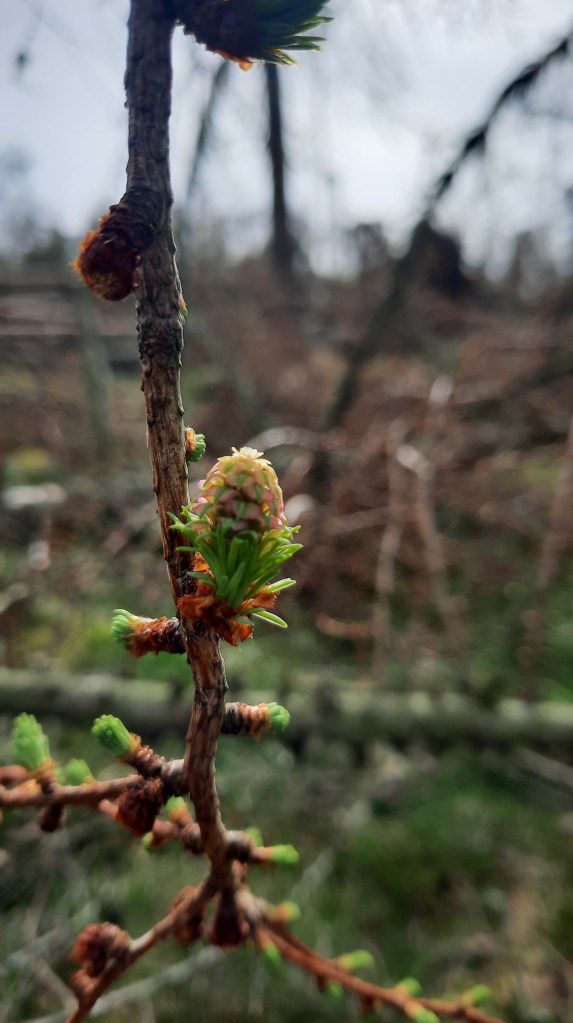
And finally, a non-edible but one that touched our heartstrings today. A fallen larch, once magnificent and proud, still came into flower this week. Drawing water from the roots that are still in the ground, the flowers seem to say ‘beaten but not defeated’. I salute you, larch!

Charlie in the Chocolate Factory

Remember this story? I loved the part when they were on the main factory floor and Charlie discovered that EVERYTHING he saw was edible and made out of the most delicious confectionary.

Foraging for wild food can feel a little bit similar! Have a look at the picture below, what do you see?

Weeds, or…..?

There’s nothing remarkable about it, or at least that’s how it seems. A bunch of weeds, with some plastic and even barbed wire. But actually, in this picture are two of the most scrumptious and healthy wild vegetables that you could wish to put on your plate: first of all the humble Dandelion (Taraxacum officinale), a plant everybody knows. Every part of this plant is edible, from the yellow flowers to the sturdy roots. Flowers and roots make a delightful tea and the young leaves can be flash-fried like spinach. The other plant in the picture, centre-bottom, is Ground Elder (Aegopodium podagraria), which was introduced to Britain by the Romans. They grew it like a vegetable, but nowadays most people regard it as an unwanted weed. That’s very unfortunate, as it is absolutely wonderful. When there are a bit more of them (April is really their month), I tend to gather a few handfuls and cook them with onion and stock. It tastes like the freshest parsley you could imagine and is very healthy.

On the wall right next to it, grew Ivy-leaved Toadflax (Cymbalaria muralis), a handsome little ‘wallflower’ with tasty, peppery leaves. They would make the perfect garnish on the abovementioned Ground Elder soup.

Ivy-leaved Toadflax

As you can imagine, walking around in this ‘chocolate factory’ where so much is edible, gave me a roaring appetite! But I’m not picking any of these plants just yet. Dandelions are an important nectar source for bees and butterflies that are just coming out of hibernation. The Ground Elder is only just beginning to poke through the earth, and it may sound silly but I like them to experience life a bit before I eat them.

When the time is right, I will post a recipe for our favourite Spring soup!

Planning ahead

Some people, at the start of the week, decide on all the meals they are going to have in that week. They then go shopping once to buy all the ingredients. In a different but similar way, this is what I am currently doing in my preparations for August, when I’ll be eating entirely wild and homegrown for a month. I know the kinds of things that will be growing around that time, so I need to think about what I can grow myself that will go well with that, to make a complete meal.

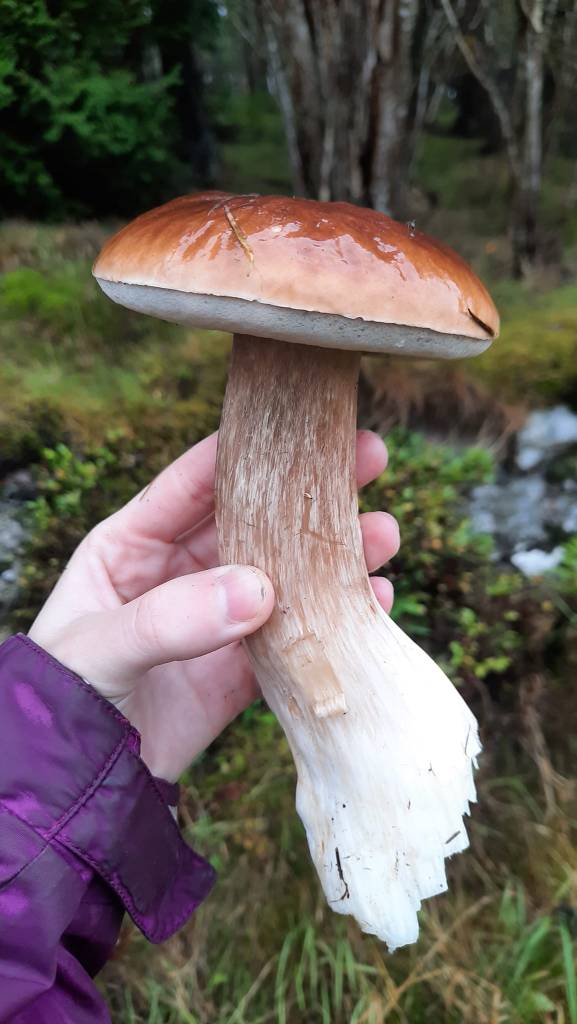
Chanterelles and porcini will be in their prime:

Chanterelles last summer
Porcini last summer

Working backwards, if I’d like to turn these tasty mushrooms into a stir-fry feast in August, it’s time to get the cucumber seeds into the ground in March! So that’s what I did at the beginning of this week. Within 6 days, they germinated, their fresh green cotyledons (seed leaves) breaking through the soil in quiet defiance of all the crap going on in the world. Small, but with a genetic code that dreams of bigger leaves to come. Tender, but growing stronger every day.

Cucumber seedling

In 5 months’ time, this little seedling will have grown into a massive plant that is crawling all around my greenhouse, using every available space. Its large, dinner-plate sized leaves will provide shade to the cucumbers that will have developed below. I am imagining a warm sunny day when I come home with a basket full of mushrooms: then picking the largest cucumber, digging up the fattest looking onion, and slicing a porcini or two, panfrying them with some parsley and saying a heartfelt thankyou to each element in my meal.

When we plant seeds, we plant a little hope.

Chernozem

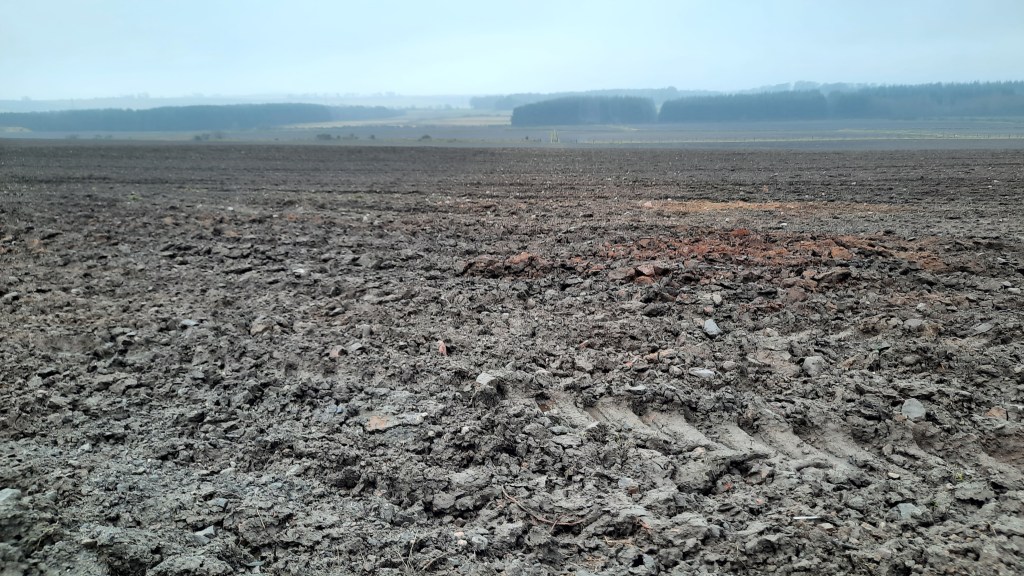
“If you had a field like that, what would you do with it?”, is a question we often ask each other when we cycle past this particular field in the picture below:

Agricultural field

For us this will always remain just a daydream, but farmers around the Northern Hemisphere are answering that question right at the moment. For many crops, it’s sowing time.

On my way to pick oysters I cycled past this field again today, and because it had been raining the soil looked really dark. Almost a bit like Chernozem. This is a black, highly fertile type of soil (https://www.worldatlas.com/articles/what-is-chernozem.html) that is abundant in Ukraine and other areas of Central Europe. It is one of the richest soils on Earth. But what is happening in all those Ukrainian fields right now? Are farmers sowing, wondering whether they will still be alive at harvest time? Are they not sowing, because they are at the front, fighting? When your livelihood depends on sowing at the right time…. I cannot begin to imagine the agony all these farmers are in.

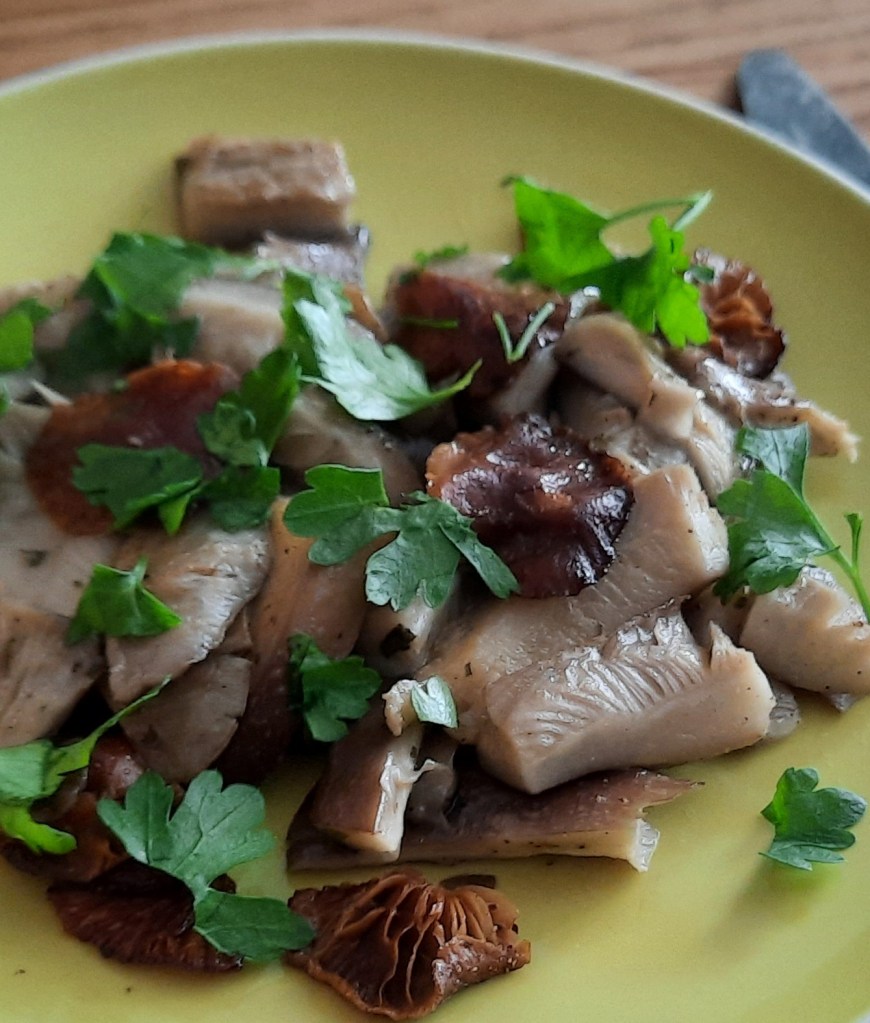
Cycling on, in full appreciation of my freedom, I found oyster mushrooms and velvet shanks. There was enough for two good lunch portions, and an evening meal. My parsley is ready to eat, too, which made a flavoursome addition.

Oysters, Velvet Shanks and parsley

I haven’t yet sown any seeds outdoors, it’s still too cold in Aberdeen. But when I do, every time my hands turn over the soil and filter out any stones, my mind will be on the Chernozem plains, hoping they will bear crops this year.

Nature as refuge

Today is the 3rd day of the war between Russia and Ukraine. Like most people, I have been following the news with a mixture of astonishment and abhorrence. One thing a Ukrainian woman said, simple and plain, seemed to sum up the utter pointlessness of it all: “The birds are singing and the sun is shining. Who has asked for this war?”

Aside from the human tragedy, I have been thinking about the plant and animal life quite a bit. Right now, there are daffodils coming up in parks around Kyiv. Crocuses, too. Buds are appearing on trees. There are crows who are pairing up again for the mating season. Birdlife going about its normal business. Meanwhile, some humans make such a mess of the world they inhabit, leaving nothing but destruction. It makes me feel exasperated and sad.

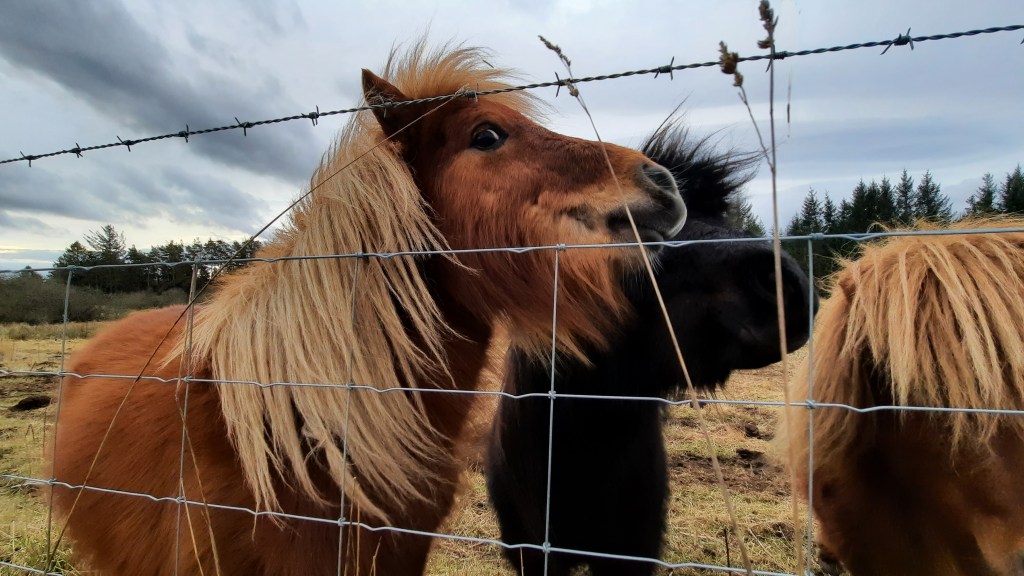
As there is literally nothing I can do about it, all I can do is keep myself sane and at least spread love in my own community. The sane part comes from spending time in nature. Today I went foraging for soup ingredients, and found young oysters in abundance. The oysters simply respond to temperature and rainfall. They are oblivious to war. I talked to three very small ponies, who were only interested to see if I had any food. They, too, are oblivious to war. The red kites in the sky above me were also only looking for food. And so was I.

Feeling the wind on my face, touching mushrooms and horses, sniffing the awakening soil, made me feel peaceful and grounded. I wish the same to you all, wherever you are. I’m sharing some pictures from today:

Falabella ponies
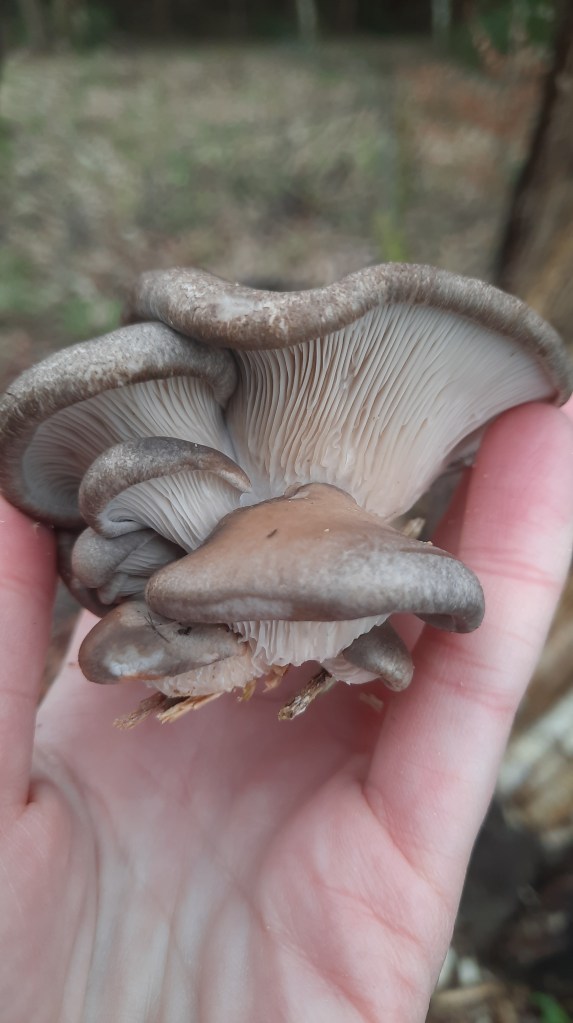
Young grey oysters
Oyster and Jelly Ear soup with ginger and soy sauce

The gift of rain and snow

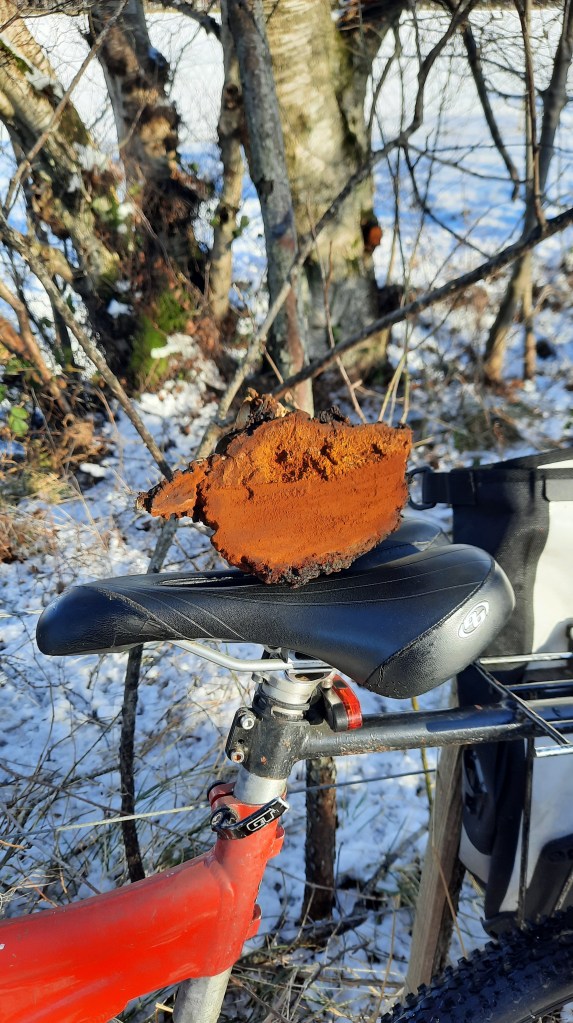
While most of the UK was getting an unpleasant battering of wind, rain and (for us here in Scotland) snow, the mushroom mycelia below the tree bark rejoiced! So much so that they all sprung up again this weekend. Fresh Velvet Shanks, rehydrated Jelly Ears, and even a large cluster of Oysters (which the storm brought down from a chestnut tree). On Saturday I braved the snowy roads on my mountainbike to find Chaga – which is so much easier to spot in an otherwise white world!

Chaga on a bike saddle

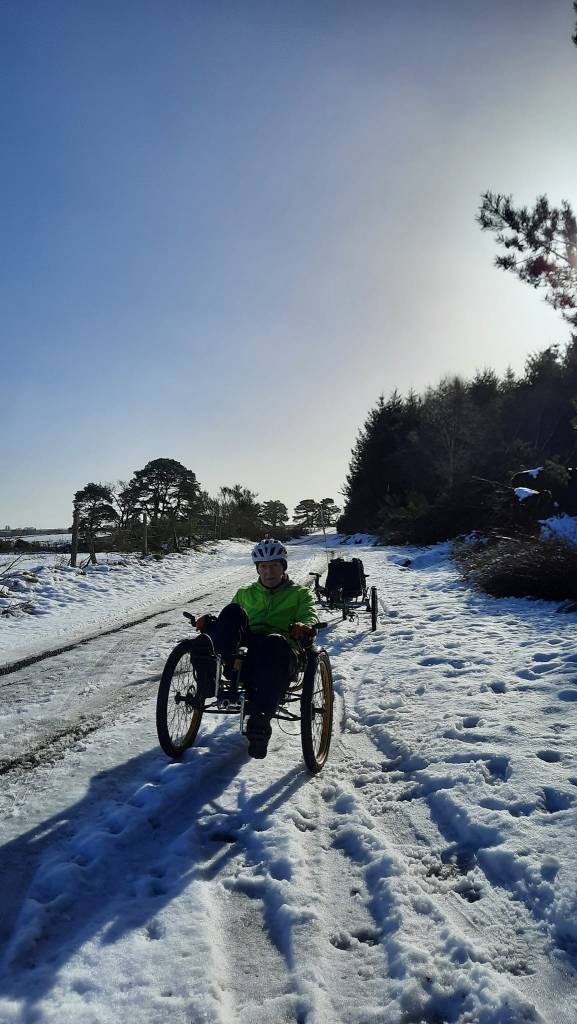
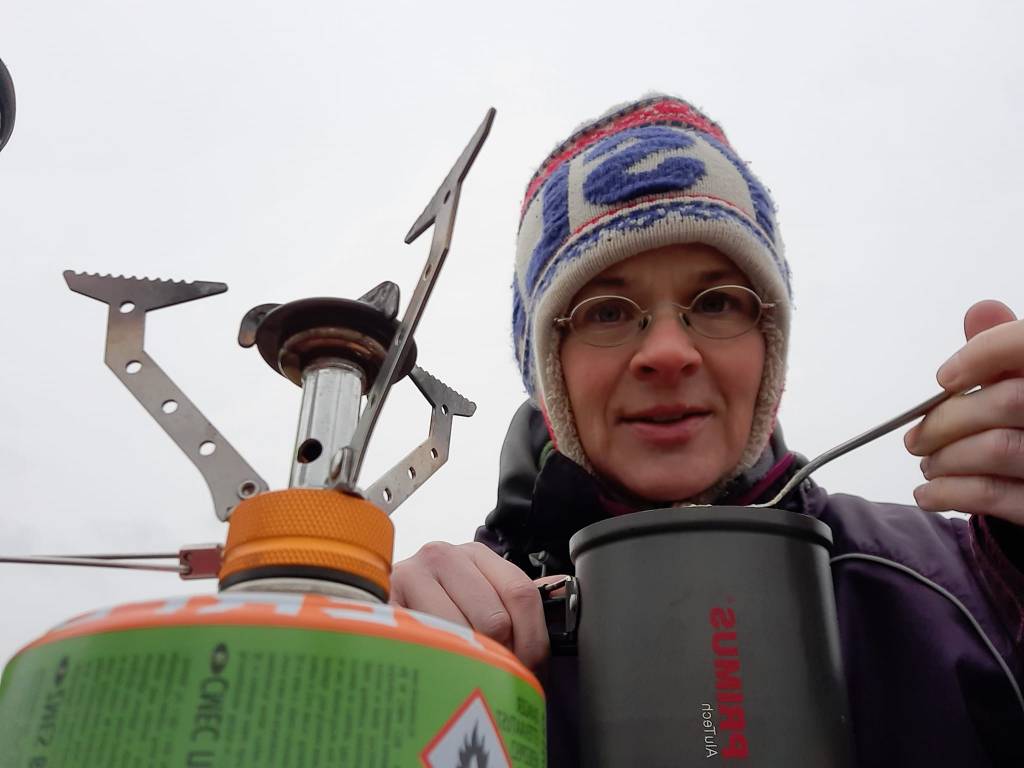
Sunday John and I went out together on our trikes, down some very slippery country lanes. Maintaining speed whilst trying not to plough oneself into a snowy verge was exhilarating and great fun. Our bravery/madness was rewarded by an ample supply of Velvet Shanks, which we cooked on our camping stove, by a burn.

Cooking Velvet Shanks outdoors
Trikes in the snow at Cullerlie

To be outside together in crystal-white snow under a brilliant blue sky, with the wind around my face and our tummies filled with the freshest of food, is my definition of fulfilment. Finding the Jelly Ears, in the video below, felt like what I imagine winning a lottery would feel like:

I hope I have encouraged some of you so far to go out and forage – have a go! There’s something about this very basic, primeval activity that brings such excitement and peace at the same time. Being part of nature, not detached from it. With nature not as something that simply looks nice, but something that is part of our own essence.

Cornucopia

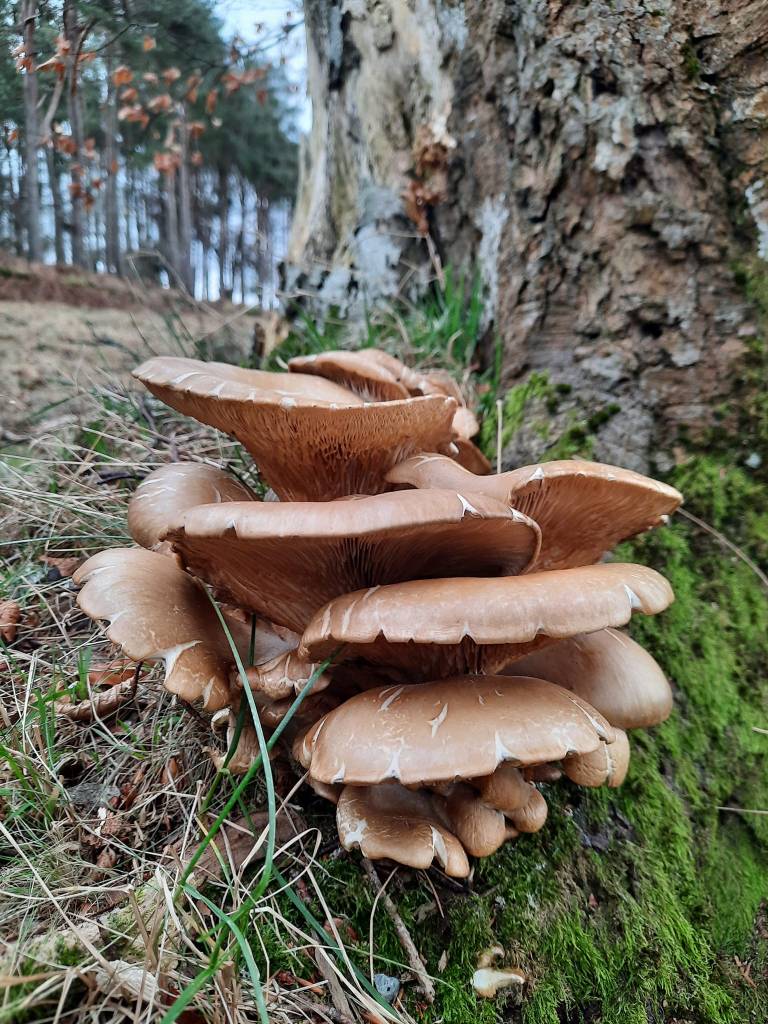
What a week(end) it’s been for food! On Saturday I was out cycling and really only expecting to find Chaga. But as my eyes roved the roadside, suddenly I spotted this magnificent flush of Oyster mushrooms.

Oysters

To my amazement, despite their relative maturity, the flesh was in pristine condition. I picked some and left some (a family of beetles was about to set up residence, and while I can live without oysters, they cannot), and made a fabulous soup:

Oystersoup

This is a picture of the unblended version, as a bowl of uniform grey is not very picturesque ;-).

Sunday we went out to Park at Drumoak where I like to swim. At the moment the water is pretty cold (2 degrees C). Once you’re acclimatised it’s not too bad, but you’ve definitely got to watch how long you stay in. Afterwards, John heated up some of the oystersoup and that went down very well indeed!

Swim at Park
Coming out
Eating soup

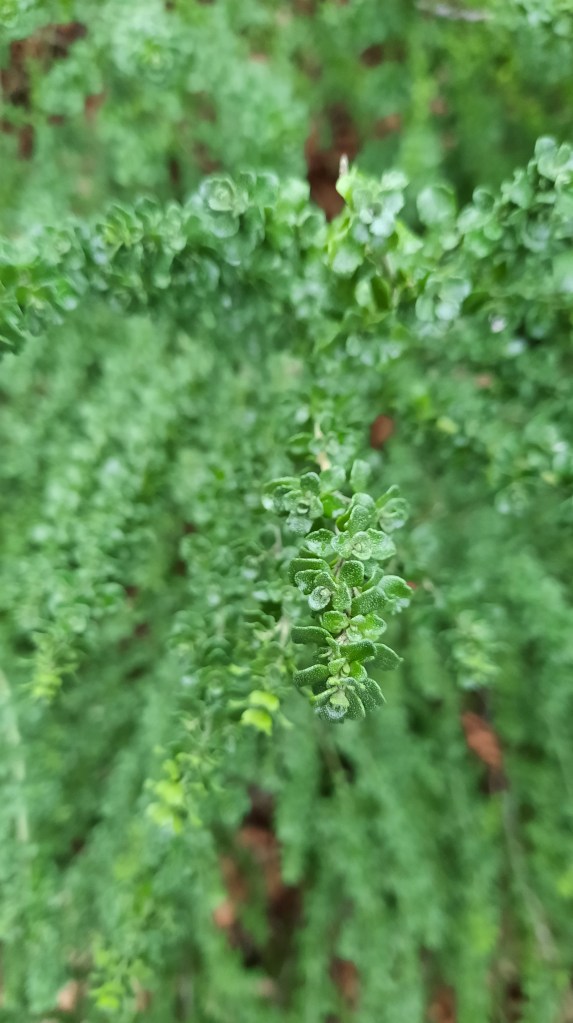
Then there was an interesting herb in Hazlehead Park. They’ve got a small ‘herbarium’ in the corner by the restaurant (I’m assuming it once was a kitchen garden), but none of the plants have labels, so I’m unsure what it is. It smells like a cross between thyme and oregano – in any case, I’m planning to pick and dry some, and use it in my next soup!

Tasty but unknown herb

Last but not least, Valentine! Back in the summer John and I picked a LOT of blueberries on the Hill of Fare, almost compulsively crawling through the undergrowth. They always look bigger on the next bush along… For our romantic supper tonight we had a blueberry and lemon wreath. It was meant to be a better shape but it broke in two. That said, better a broken cake than a broken heart!

Blueberry cake

New life

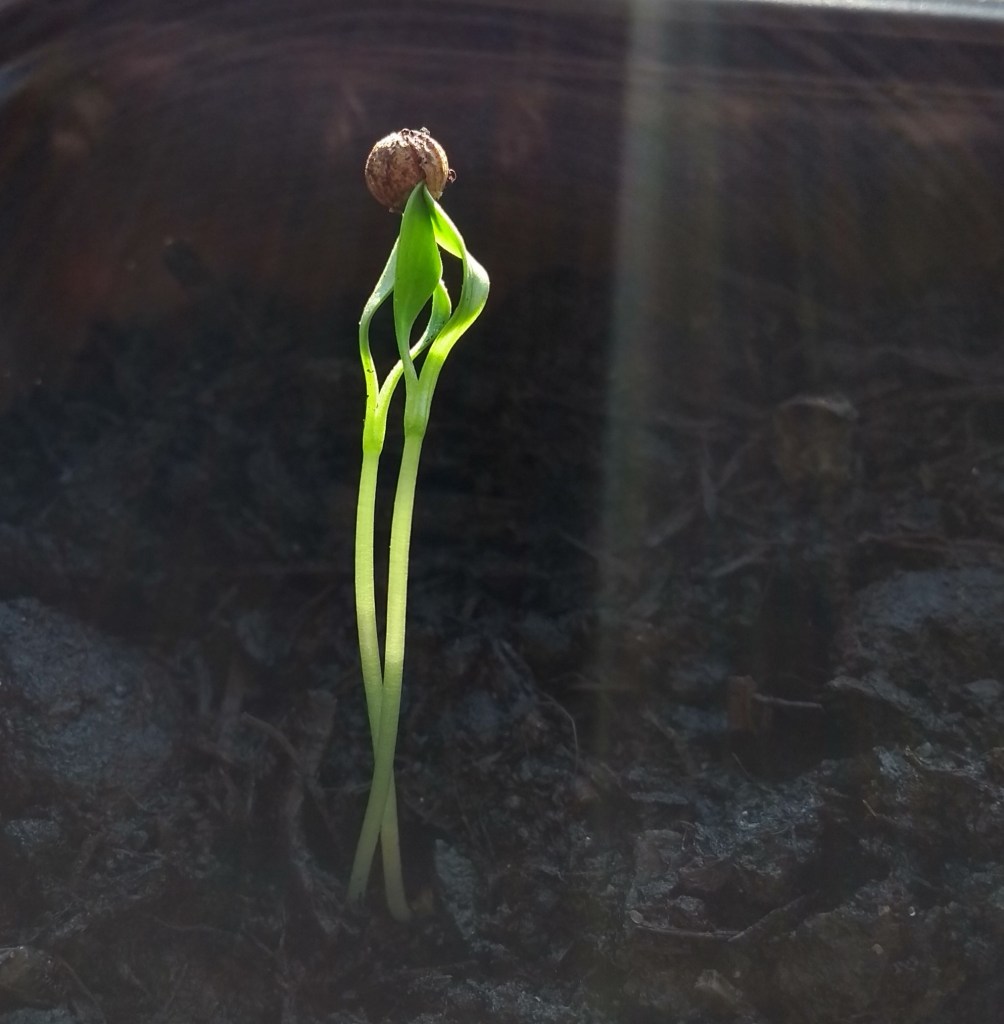
Coriander

When you buy a packet of ‘coriander seeds’ for sowing, you actually buy coriander FRUITS. The little hard ball you see above is the fruit, containing 2 seeds each. These two chaps look like they are playing basketball!

In preparation for my ‘wild for a month’ challenge, I’m growing all sorts of herbs: as well as coriander, we’ve got parsley, thyme and tarragon. These all go well with the kinds of wild foods I will be picking. And no recipe is complete without an onion (well, in my experience anyway!) so I’ve currently got 35 of them sprouting in the windowsill. I’d like to get a good picture of them, but they seem utterly reluctant to pose for the camera. I’ll get to them eventually when they are a bit larger and are looking photogenic!

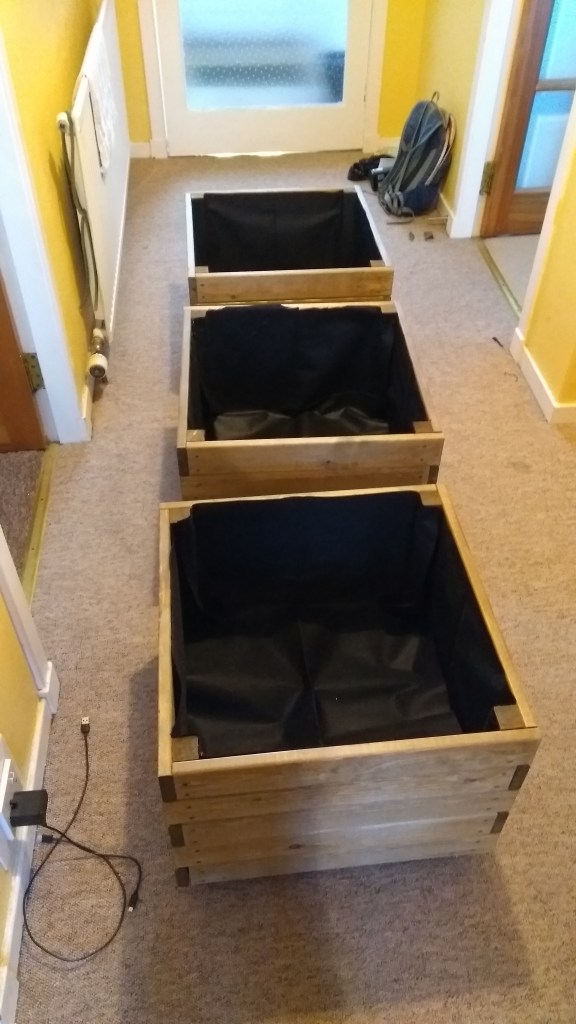
Talking of non-photogenic, the picture below is of the newly lined carrot-planters.

Planters

Our soil is full of stones, and after producing carrots that resembled rude finger gestures last year, we decided to give them their own space to grow in. Hopefully we’ll achieve more socially acceptable shapes!