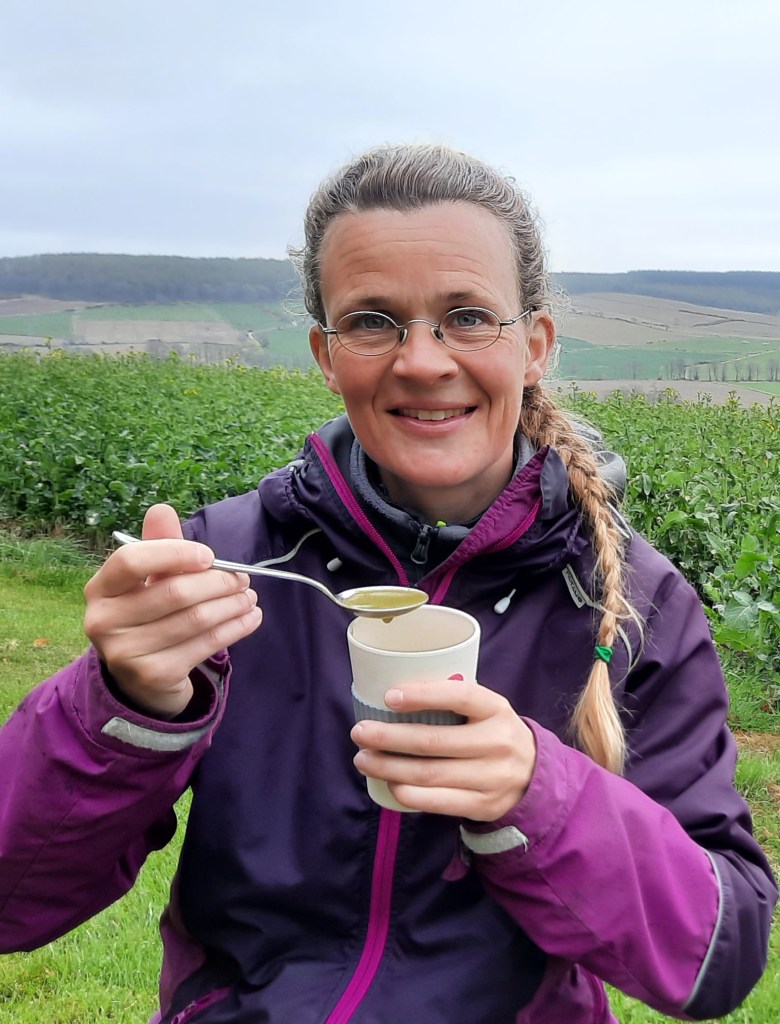
New flavours

Mushrooms come in all sorts of shapes and sizes. Some of them, on the unlucky end of the spectrum, are more likely to attract ‘haha’ reactions on social media than others. The one below is called a ‘stinkhorn’, but you can bet your life that’s not what people call it:
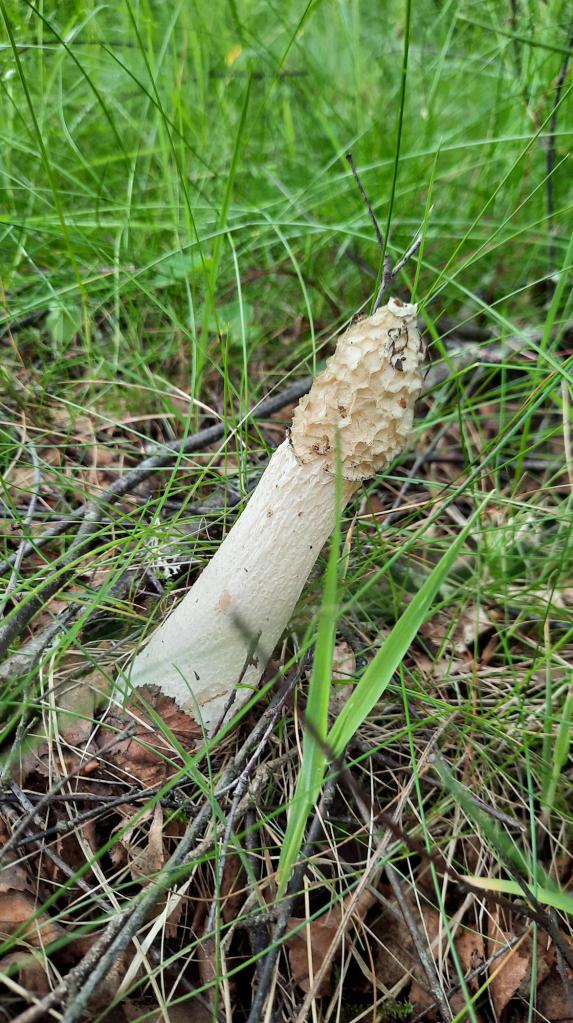
Stinkhorn

This one seems to divide opinions: to some people it smells as if something has died, whereas to other people it smells like honey. Thankfully, I’m in the latter category. This evocatively shaped fungus is indeed edible, but perhaps reserved for more intimate dinners or friends with a sense of humour.

Another ‘first’ for me this week was the Porcelain fungus, growing invitingly on a beech tree:
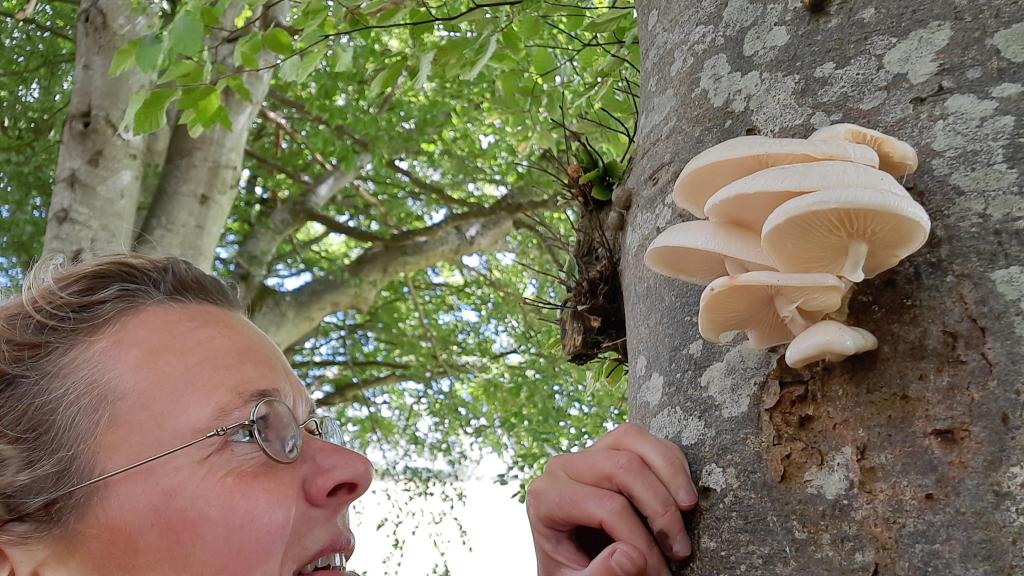
Porcelain fungus with admirer

Look how the light almost shines through it:
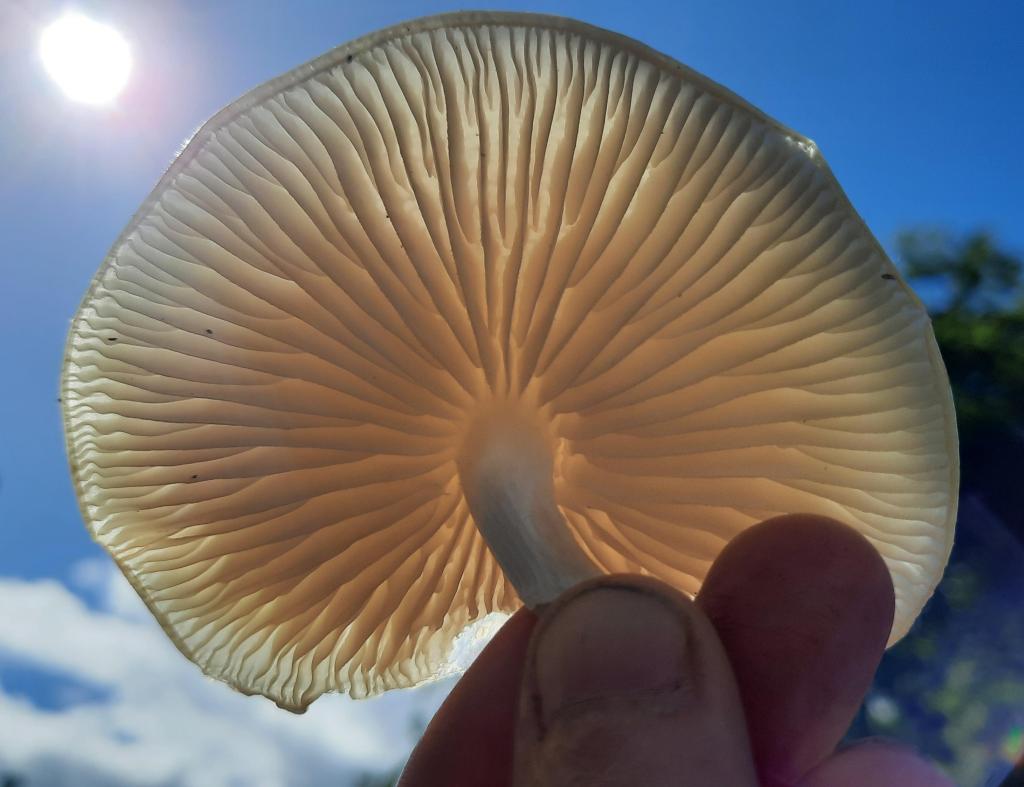
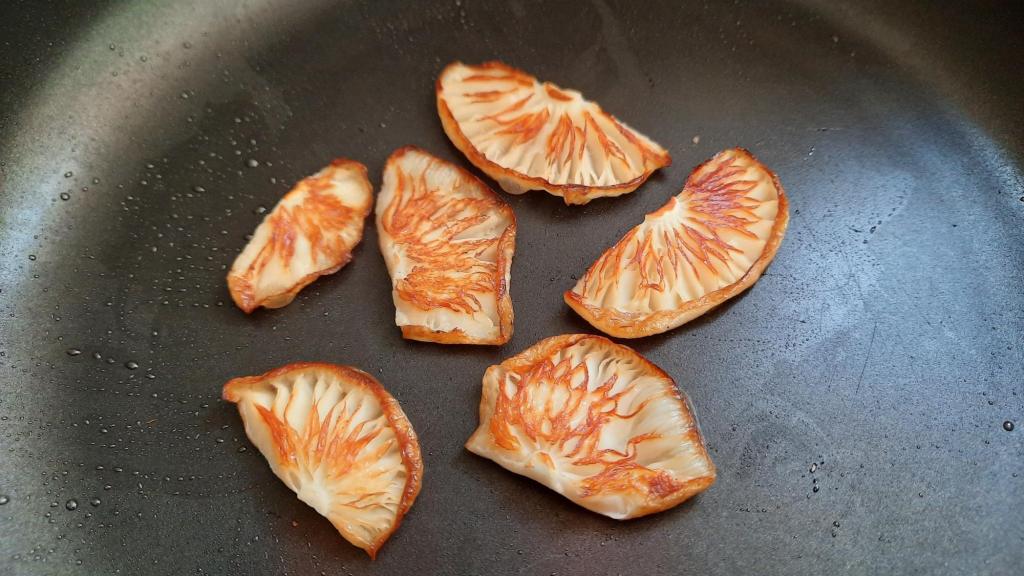
Porcelain fungi in the pan!

Almost too beautiful to eat…. almost! They taste sweet, a bit like Velvet Shanks, but more unidimensional. And a very nice fleshy bite. I will go back later this week to see if more have grown.

In the drinks department, things are revving up. In our garden I rescued daisies from sure decapitation (when John grabs hold of the lawn mower he really rocks it), by drying them in a low temperature oven. They make a delightful tea.
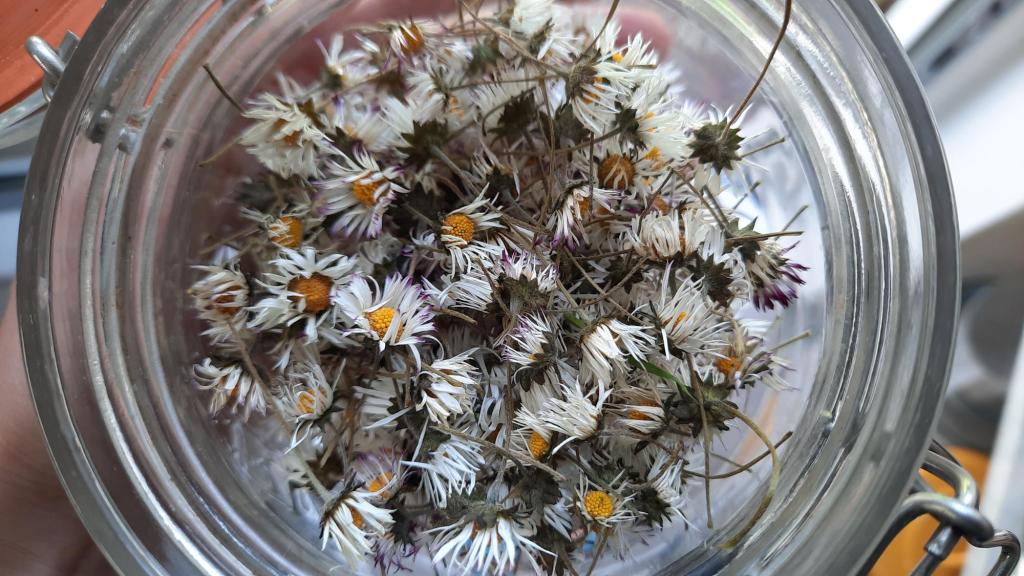
Dried daisies

Finally, it’s been a week of bees. I’m currently trying to find a way of persuading our local housing estate company Dandara to create a wildflower garden. Or at least to stop the senseless fortnightly mowing of the large swathes of grass surrounding the estate. On Thursday I walked there when they were mowing, and just one patch of clover was left. It was completely covered in bees – all trying to hold on to the last few flowers. I asked the mowers if they could please spare that patch. But they said no. The ‘local residents’ would complain if they didn’t mow everything. Well, if these local residents prefer an ecological desert over a thriving habitat for insects and birds, it’s no wonder the world is in the state it is. I’ve written to my local councillor (again) to ask for help in the matter – will keep you posted. Meanwhile, please enjoy this picture of two bees hard at work. Without them, our society would collapse. If you read this and you want to make a difference to their fate (and ours!), consider the kinds of plants you have in your garden (do bees like them?), where your food comes from (has pesticide been used?), and have a look around your neighbourhood to see where you might initiate change. It all does help!
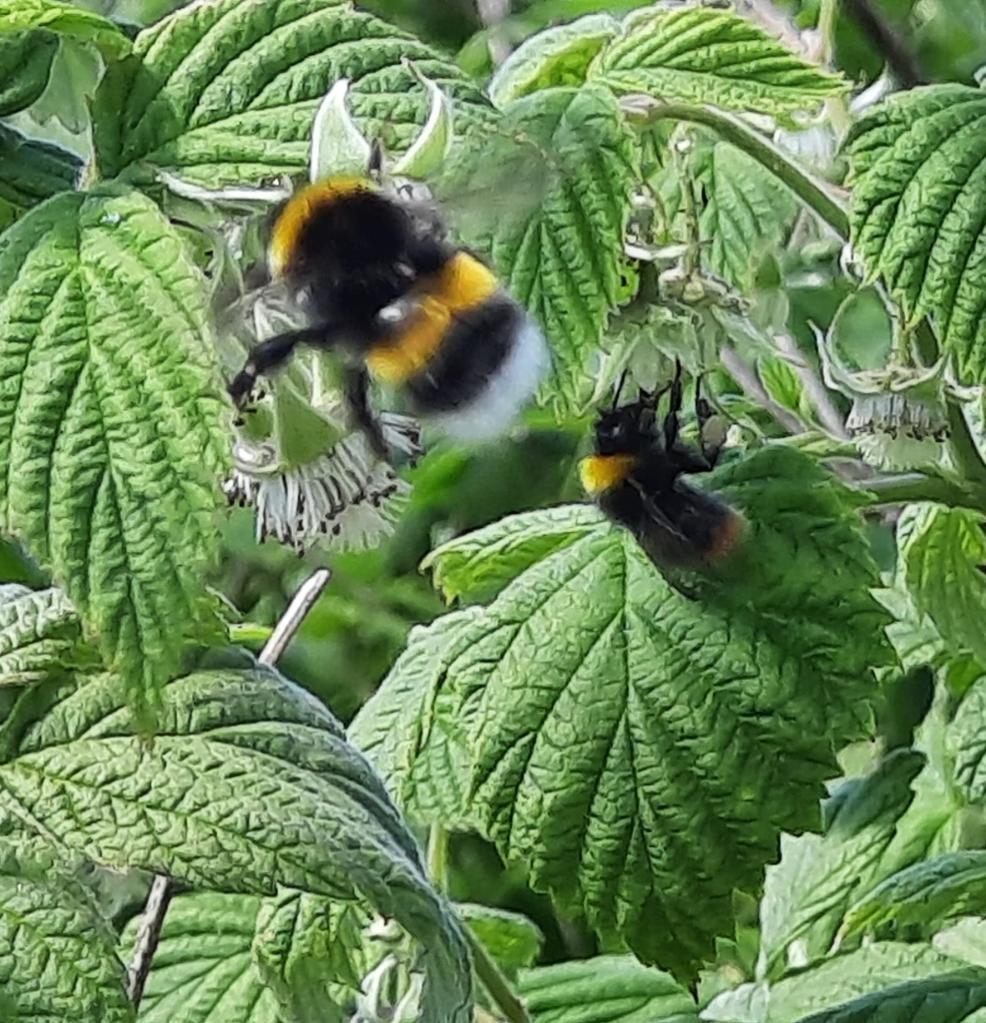
Bees on raspberry flowers

The Russula genus

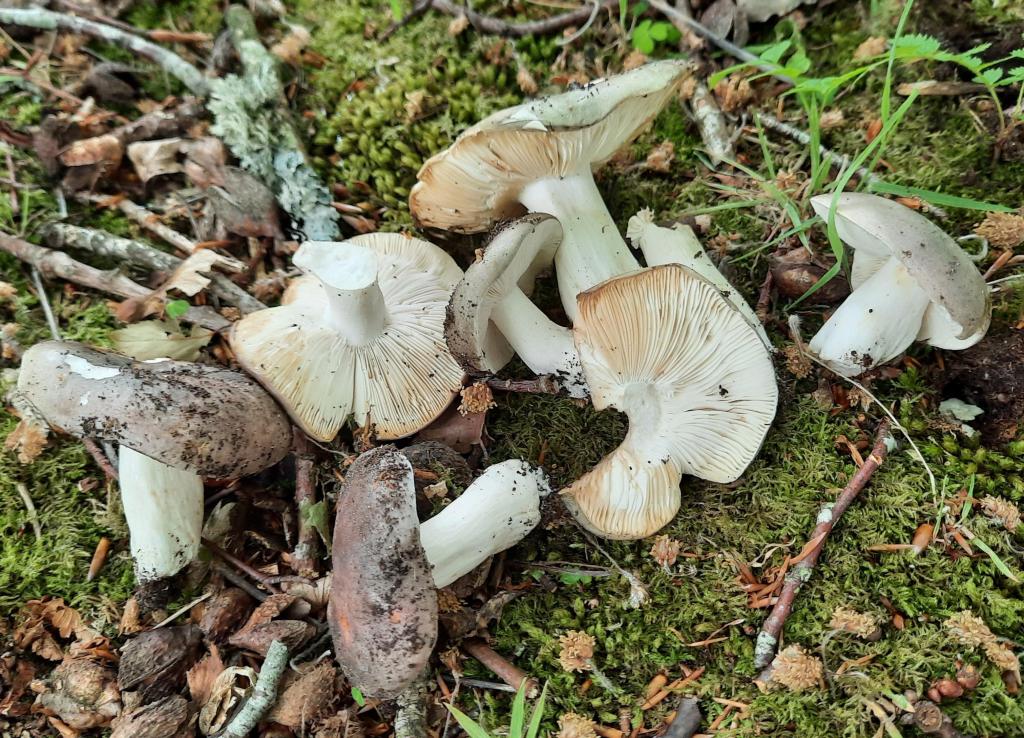
One of my New Year’s resolutions was to get familiar with the Russulas. This is a genus of colourful mushroom species – there are yellow, red, pink, green and purple ones (and any shade in between). What attracts me to them is the method of identification: often, smell and taste are involved. I love using these senses. Some Russula smell of coconut, or crab meat, or cedarwood. Others smell fruity, or mild. Some taste hot (you can do a nibble test and spit it out), others nutty. What they have in common is brittle flesh, caused by the shape of their cells: round instead of oval like most mushrooms.

I was very fortunate to come across them on my walk early yesterday morning, and again while out foraging today. I was walking down a track with beech trees, to see if I could spot any Scarletina boletes, and I was about to give up and turn back, when a voice in my head said “just a little further, to that tree over there”. Yes! There they were! Not Scarletina’s, but a wonderful collection of Russulas, the Charcoal Burner.

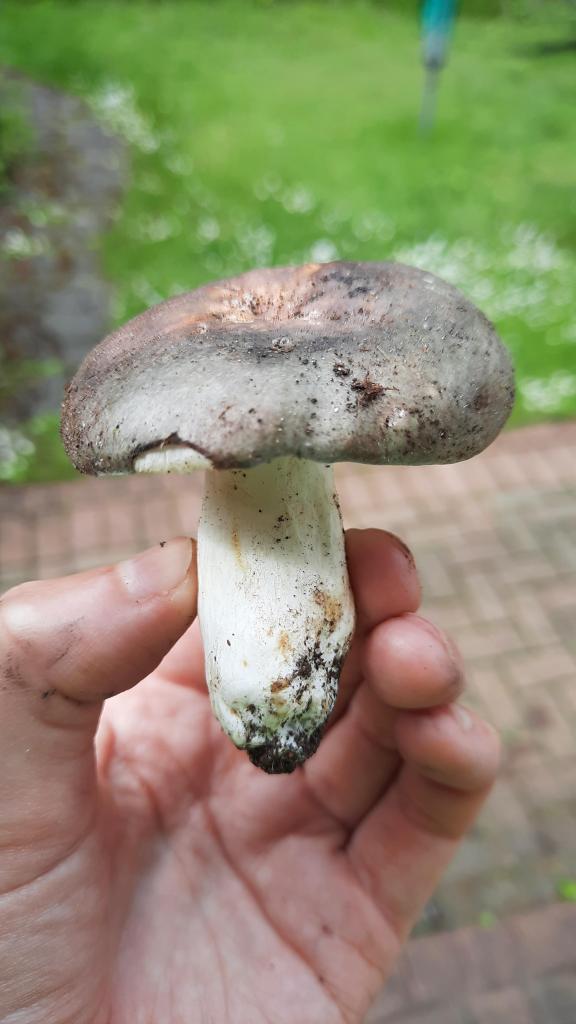
Charcoal burner

Charcoal burner side-on

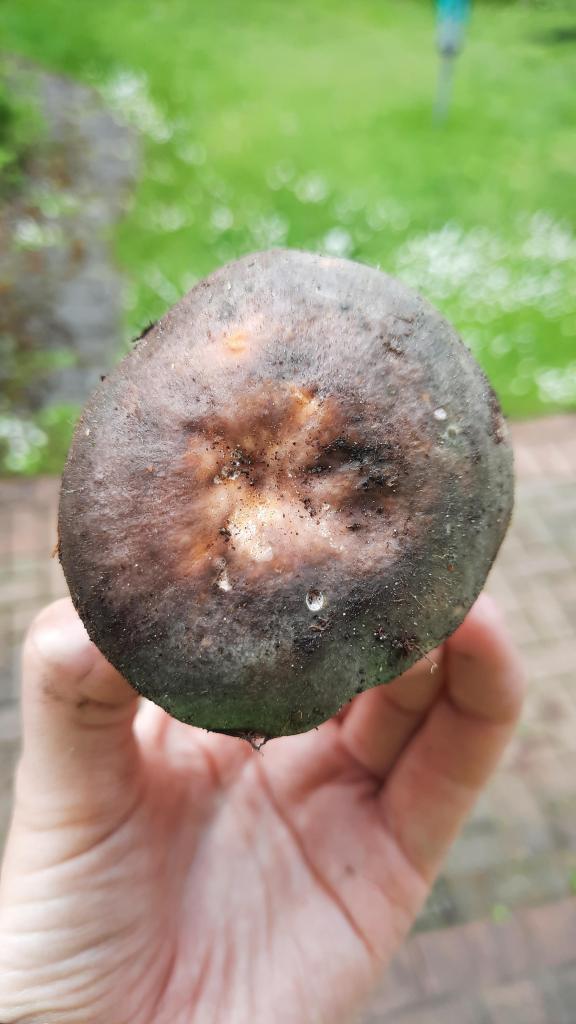
Charcoal burner looking like some far-away galaxy

They taste delicious with a mild, nutty-sweet flavour. However, there is one problem: they make you fart like there’s no tomorrow! And we didn’t just have angel puffs, it was like a proper frog pond. Totally worth it though.

So John and I are all set for another melodious evening – I wish you all a great week and next time I’ll update again about what’s growing on our own patch.

The first 2 meals for August

Yes! I’m a very happy forager today. I went out tonight in search of garlic mustard (which, despite being one of the most invasive species in the UK, remained elusive), and came home with a bag full of St. George’s! Walking through the woodland I thought ‘what can I add to make this my first entirely-foraged-and-homegrown soup for August?’

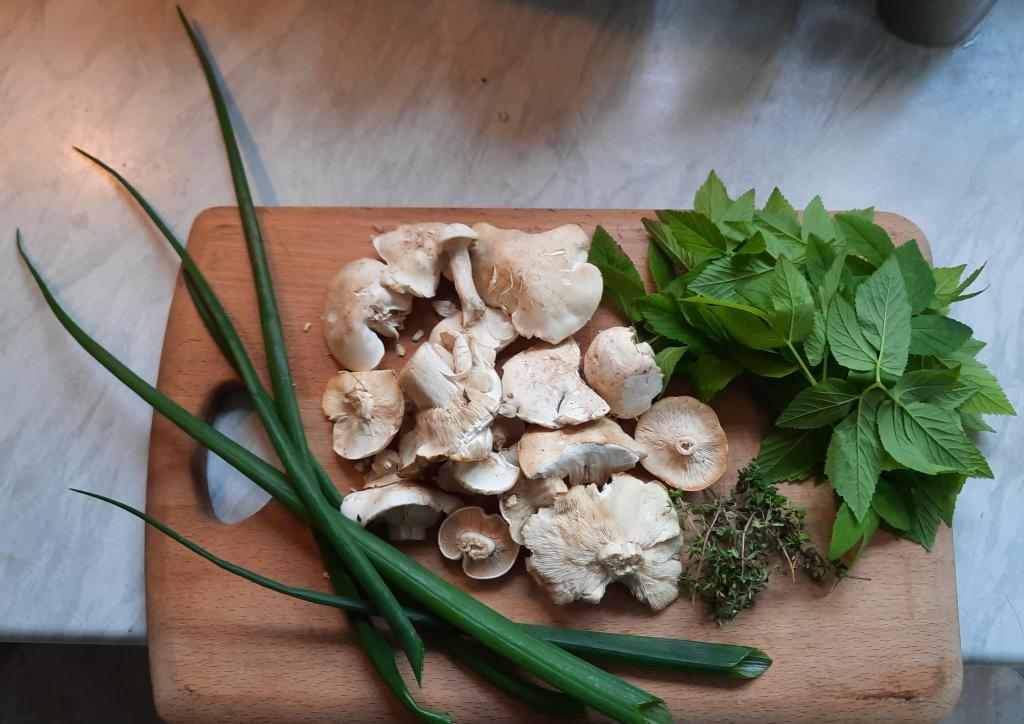
With Ground Elder aplenty, and onion tops at home ready to be picked, plus some fresh thyme from the front garden, a recipe soon began to take shape in my mind. Here are my wonderful ingredients:

St George’s, onion tops, ground elder and thyme

The resulting soup made two portions, and tasted absolutely fantastic! John said “I could eat some of that now”, so I’ve put a label on it saying “AUGUST”. That should do the job. If not, I shall have to venture out and make some more!

More mushrooms

When I began foraging for mushrooms I never thought May would be a particularly good month for them – I always associated them with Autumn. But it turns out they are an all-year-round event, with different mushrooms growing at different times of the year. As I mentioned in the last blog, up here in the North East of Scotland we were a bit late with the St. George’s, but boy, they have now truly landed! Yesterday I picked a lot on my bike ride, and made soup:

St. George’s soup

Then today I had the biggest surprise of the year so far. While out on my early morning walk I went along a track that I visit pretty much every day – but I hadn’t been for a few days. Guess what has sprung up in my absence: Giant Puffballs!!

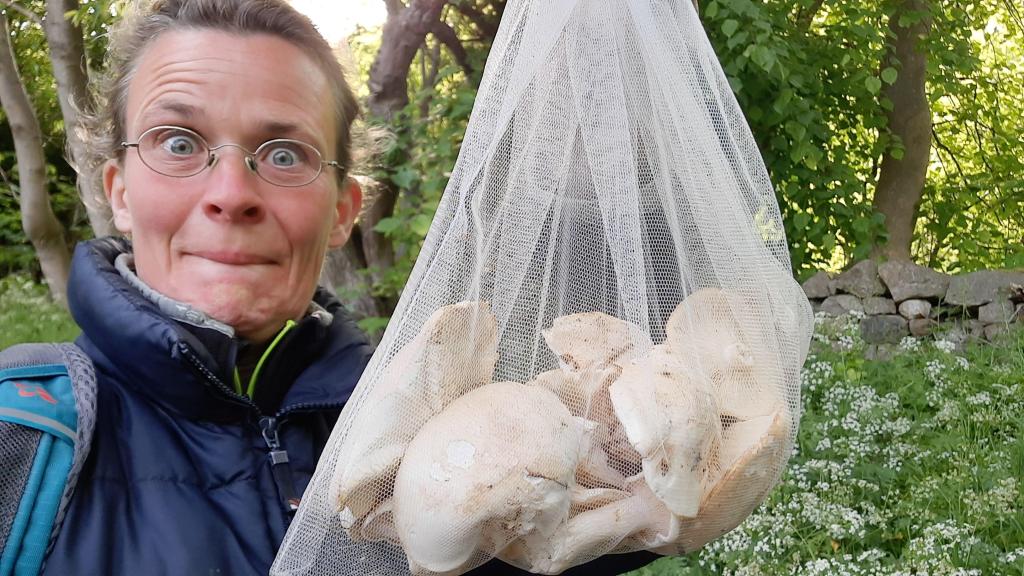
Great excitement at finding a Giant Puffball

Giant Puffball

These are summer/autumn mushrooms, so to find them in our neck of the woods in May was highly unusual to say the least. They were sliced, pan fried (with a bit of homegrown thyme) and devoured with great gusto:

Pan fried Giant Puffballs

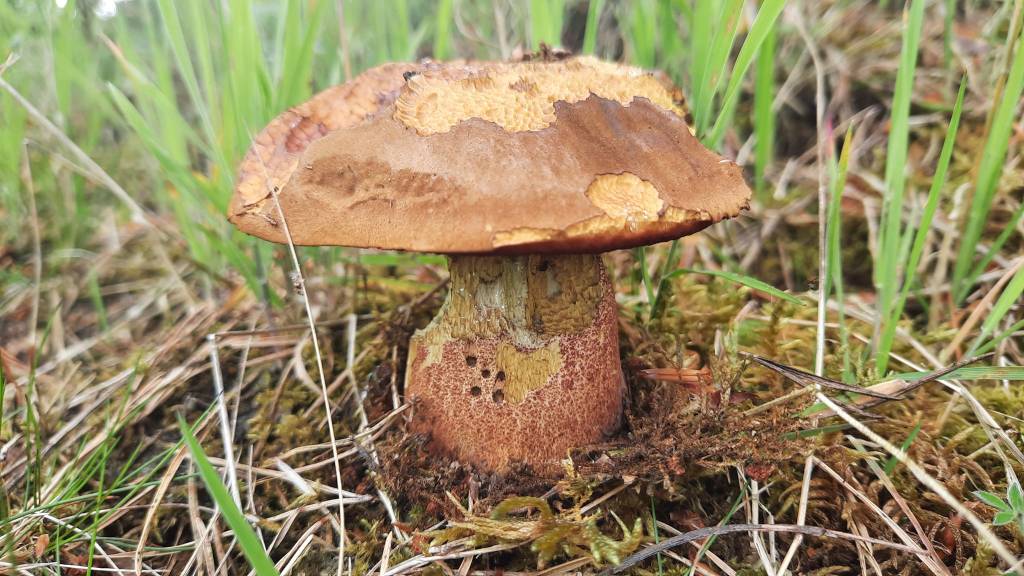
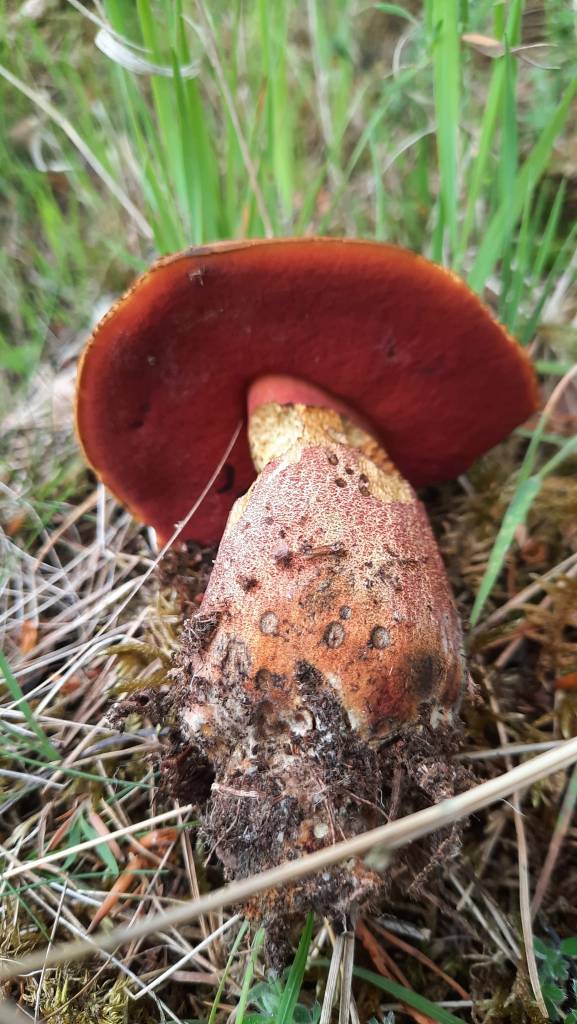
Fuelled by this delicious second breakfast, we powered up the steep road to Tollohill Woods. With a rucksack and a knife, because, well… you never know! While we didn’t find anything edible inside the woods, once we were out again and on our bike, I had only just finished saying to John “there weren’t any mushrooms”, when my tires shrieked to halt at the sight of a bolete in the hedge. Its two siblings had had a close shave with the hedge cutter, but the one remaining was in perfect condition. It’s the same species as we found last week:

Scarletina bolete (Neoboletus praestigiator)

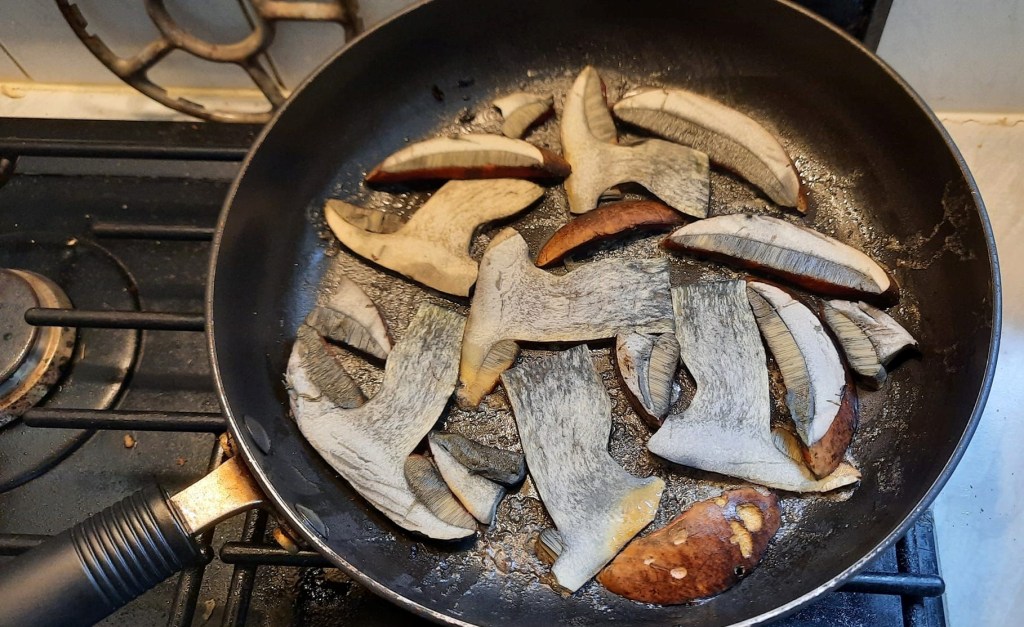
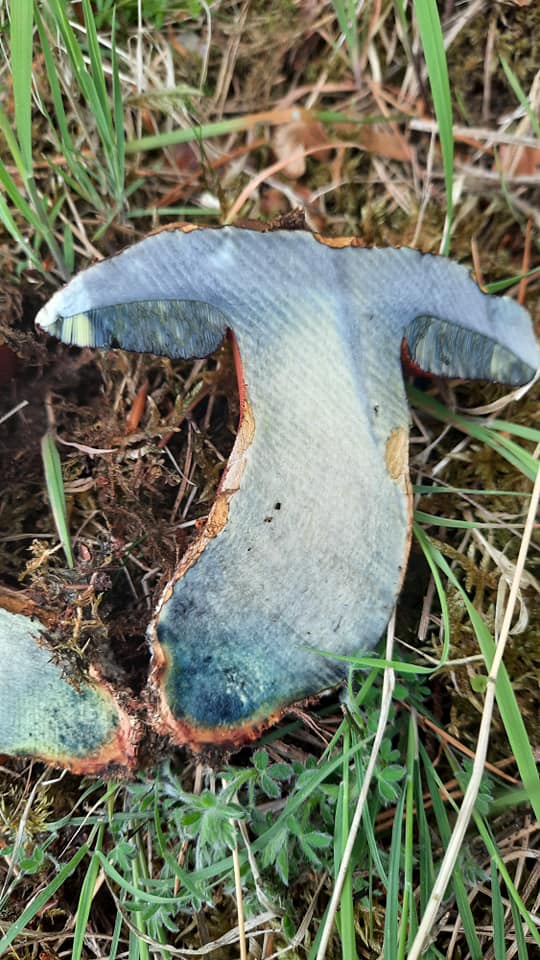
Having identified this one a few times now, I felt confident about eating it. The mind has to overcome a certain degree of reticence to agree to eat something that looks utterly inedible (red, blue), but when we did it actually was tasty. Apart from the pores, which I must remember to remove the next time:

Second mushroom fry-up of the day

Here ends the month of May. In the coming week I will be checking my chanterelle woods – some people in England are already finding them, so who knows what treasures lie in store for us! Watch this space…

Serendipity

I must begin this post with recounting the most astonishing coincidence that happened yesterday. It was John’s birthday, and we had arranged for him to have a flight in a glider at Aboyne airfield. As it was a 63-mile round trip bike ride and time was short, I had promised not to do any foraging – so you can imagine me cycling along with imaginary blinders at the side of my face, trying very hard not to look at the grass verges!

We got to the airfield, parked our bike and trike next to the club house, and after a lot of chat and a little bit of form-filling, John went up in the air.

John in a glider

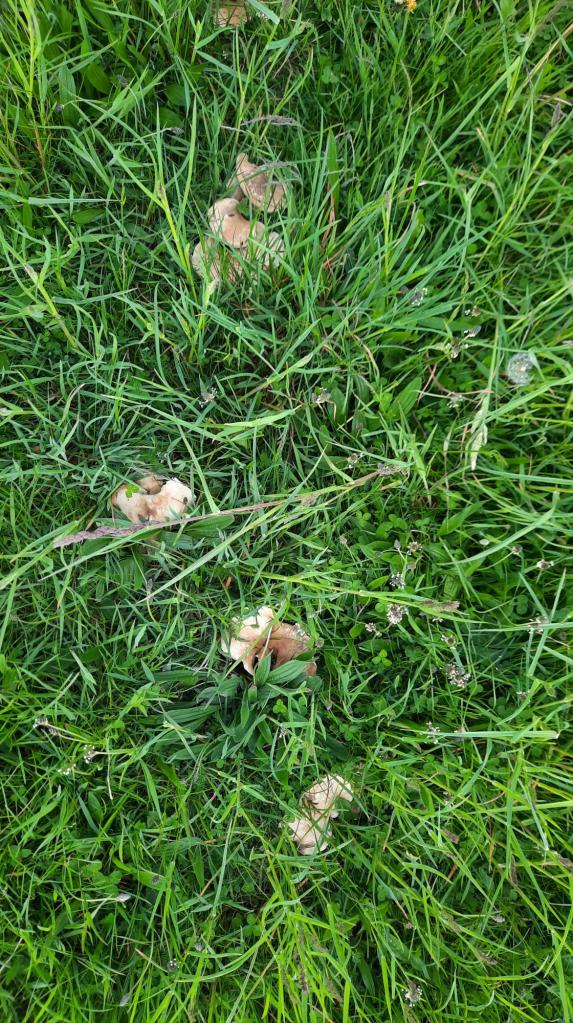
He had a wonderful time! I was a little envious of his elation, but at the same time rather glad I got to stay on the ground. Walking back to the bike, packing away my stuff in the pannier, my eye suddenly caught something in the grass…. A beautiful ring of St. George’s!!!! Right next to my bike! I couldn’t believe it.

St. George’s at Aboyne airfield

Now it was my time to be ‘high as a kite’, and needless to say our journey home was filled with outbursts of joy for lots of reasons.

Equally unexpected was today’s find of a Scarletina Bolete. The normal growing season for these is late summer to autumn. Amongst red stiped mushrooms are some of the most poisonous species, so great care must be taken to ID them correctly (well, of course this is always important!). Despite its lurid colours, this Scarletina is edible and some of my forager friends say they actually prefer them to porcini. Either way, it’s an awesome sight!

Scarletina

Scarletina

Scarletina

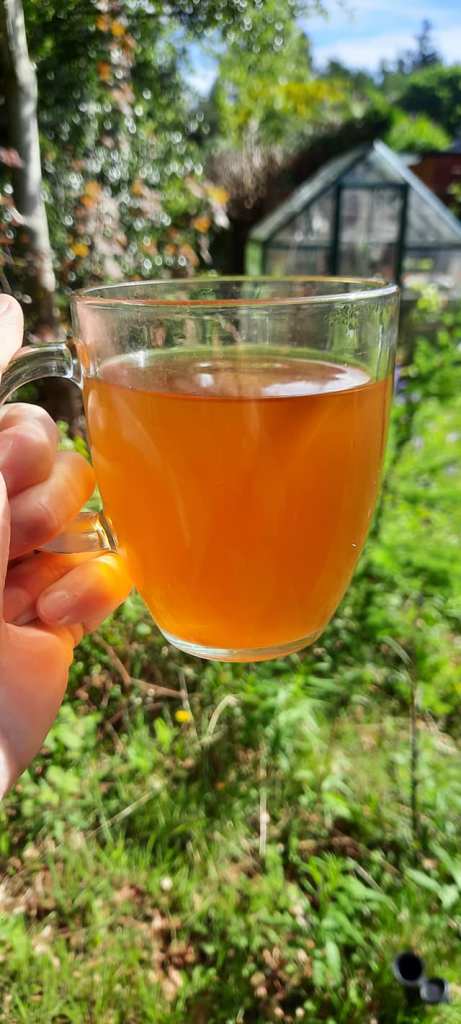
And last but not least, I’m into raspberry leaf tea now. This goes some way towards keeping our ever expanding shoots in the front garden under control. It really makes the most fabulous drink, so I’d like to raise a non-alcoholic glass to Spring!

Raspberry leaf tea

New flavours

In Aberdeen we’re usually a few weeks ‘behind’ compared to more southern parts of the UK. It takes a long time to warm up here, and if I were a mushroom I’d definitely pull the duvet over my head and hit snooze.

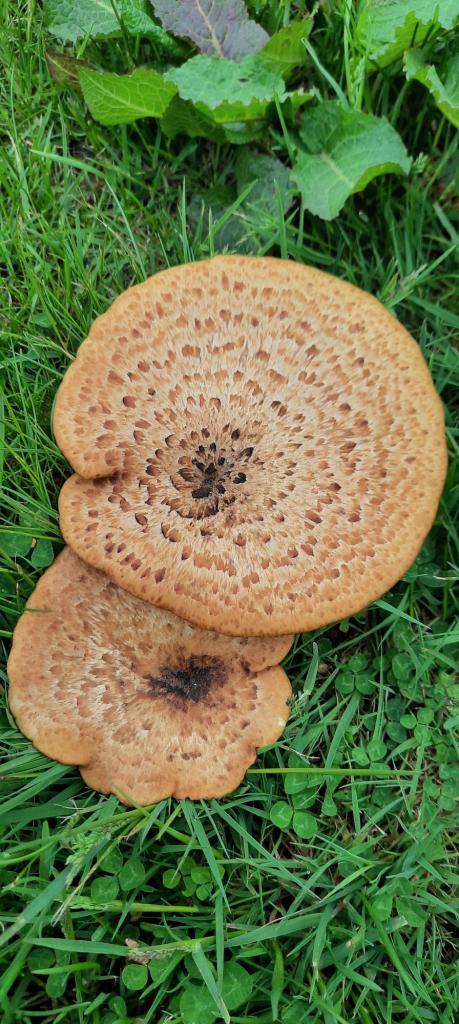
So you can imagine the “fungus envy” I’ve experienced over the past month when looking at all the photos posted by my foraging friends in England… Until this week, that is! When running to the pool I was stopped in my tracks by this beautiful specimen growing at the side of the road:

Dryad’s saddle

It was huge, larger than a stretched-out hand, and in perfect condition. I took it with me into the gym (didn’t want to leave it to pick up on the return journey, just in case a. someone else found it, or b. the bin collectors would trample on it) and I must have received a few weird looks in the changing room…

Sometimes Dryad’s saddles of this size can be a bit tough, but this one was beautifully succulent. The uncut flesh smells of cucumber, and when cooked it’s a bit like an oyster crossed with a velvet shank.

Then on Friday, on my ‘fake commute’ (when working from home I go for a long walk at the end of the day to make the psychological switch) I nearly stumbled over this delightful mushroom:

(not the guy in the back, but the guy in the foreground ;-))

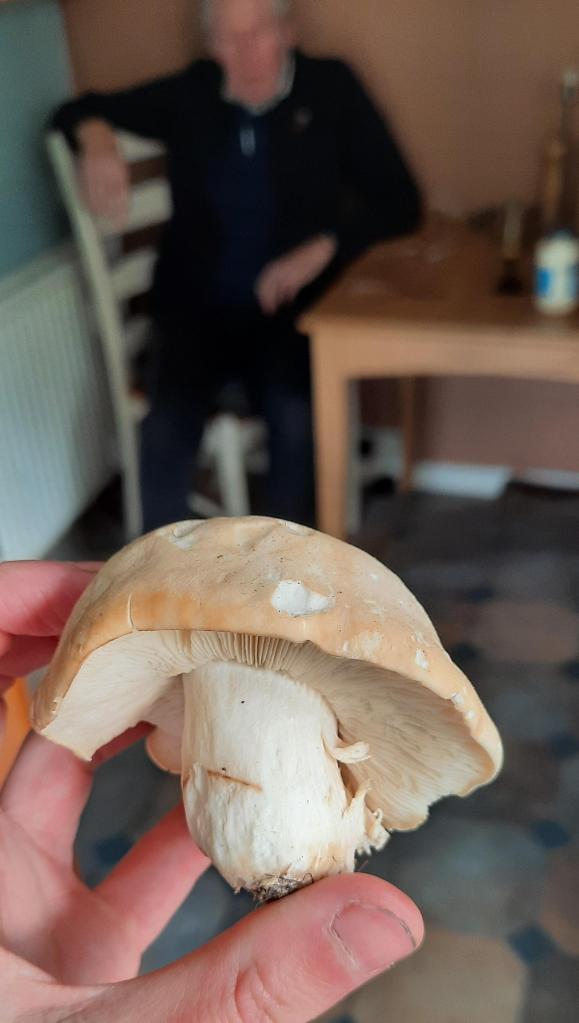
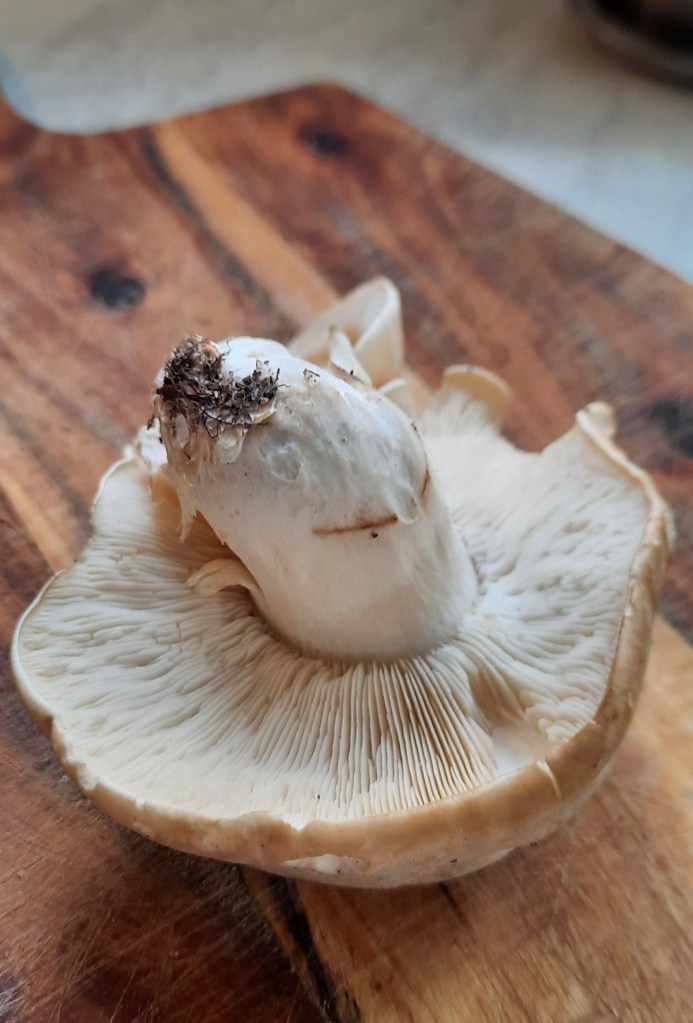
St. George mushroom

My Facebook feed has been full of (English) St. George’s for a while now, so finding my own here in Aberdeen made me go through the roof with excitement! It really is a wonderful thing to pick (nice and sturdy) and eat (very strong flavour), and even just hold in your hand and sniff (slightly sweet and floury).

I also found another Spring Cavalier yesterday (plus 3 kilograms of rhubarb), so we felt thoroughly spoilt by our natural world this weekend. Thank you!

Our own patch

Sometimes, in the middle of the night, I panic about August – when I’ll be eating wild and homegrown for a month. “What if it is a particularly bad year for mushrooms?” “What if there’s a drought and there’ll be no fruit?” Probably spurred on by these moments of night time panic, I’ve been planting an awful lot on our own patch. To the point that I’m now likely faced with an entirely different challenge: how to eat it all!

Here’s what’s growing within a relatively small space in our front and back garden:

Strawberries

Raspberries (yellow, the best!)

Gooseberries

Red currants

Plums (though this year the tree is taking a break)

Cherries

Apples (4 varieties: James Grieve, Fiesta, Christmas Pippin and Scrumptious)

Blackberries

Rhubarb

Potatoes

Carrots

Onions

Beetroot

Cucumber

Chard

Nasturtiums

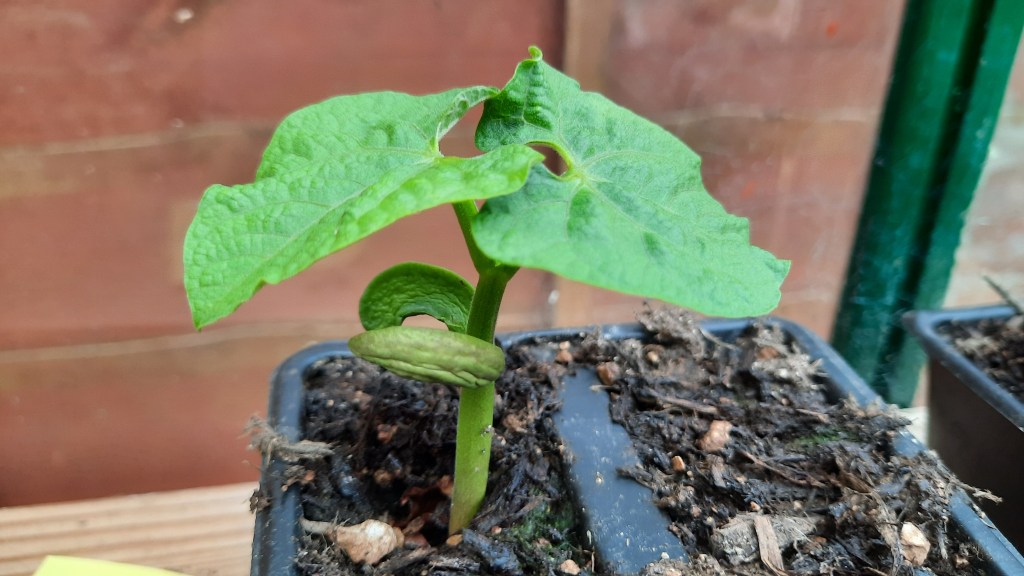
Beans (Yellow Frisian Forest Beans, an heirloom variety from my home country)

Butternut squash

Thyme

Here are some pictures of all this lovely produce-to-be:

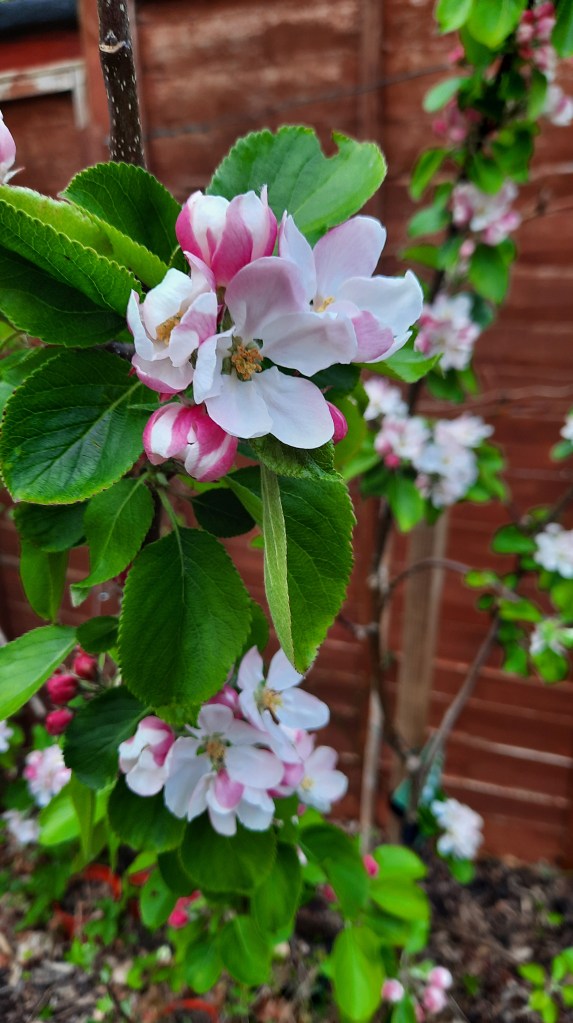
James Grieve blossom
Cherry blossom

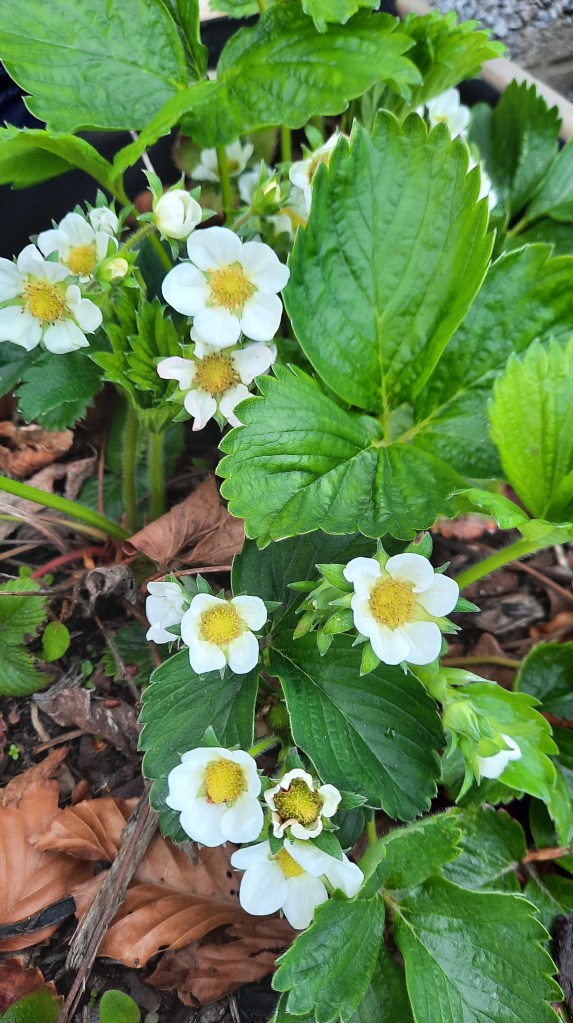
Strawberry blossom
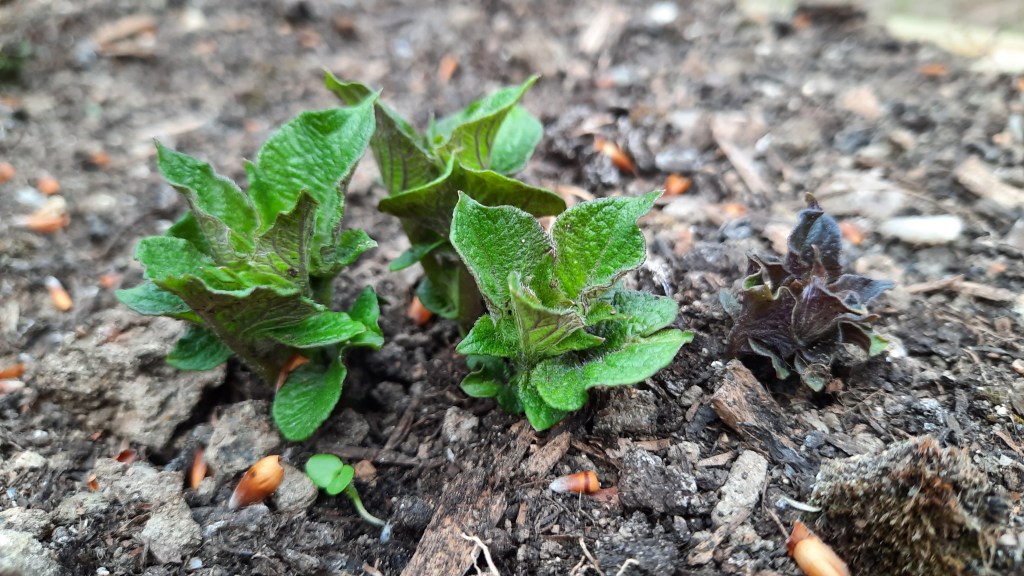
Potato shoots

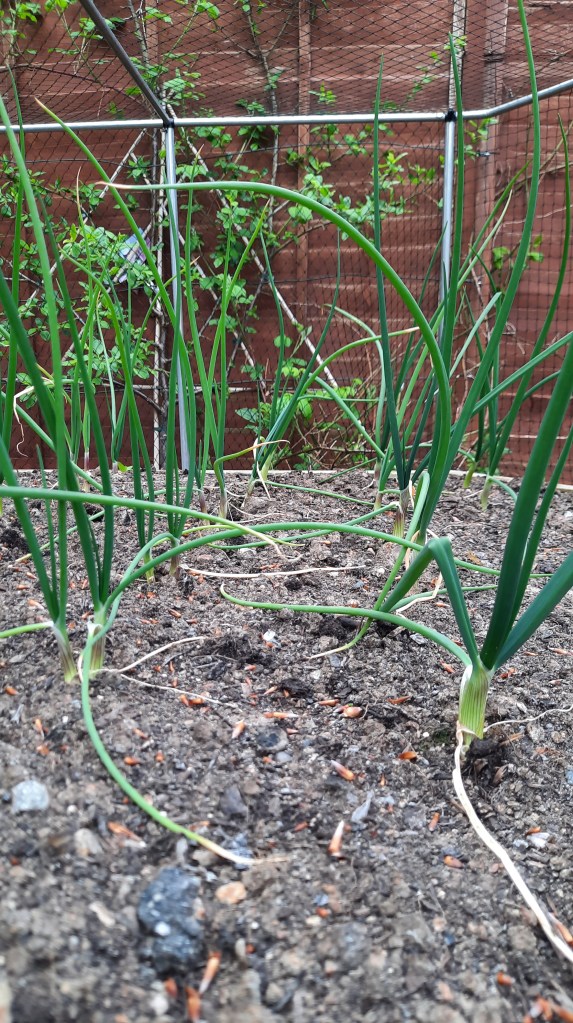
Onions

Yellow Frisian Forest Bean

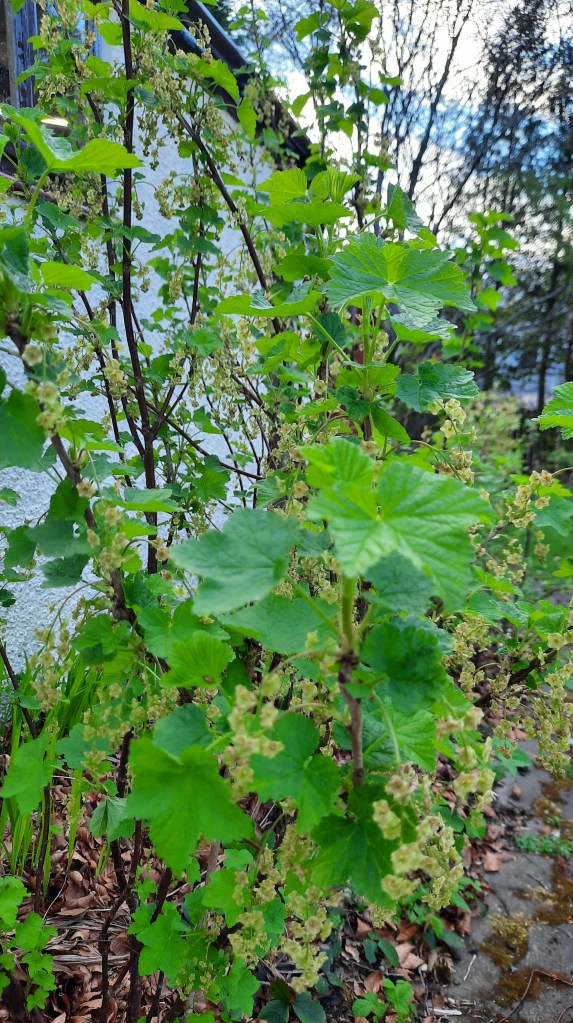
Red Currant blossom

Cucumber

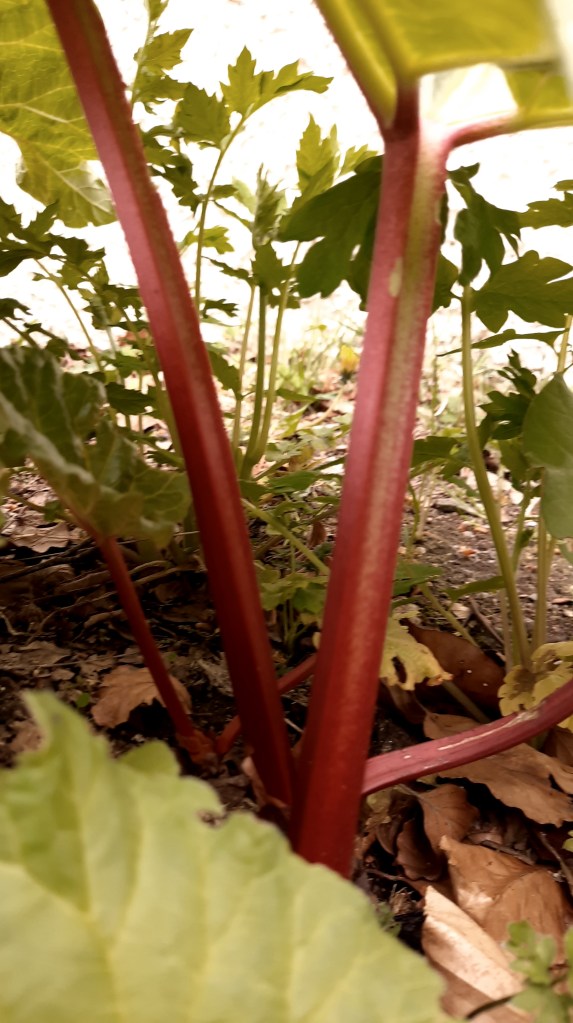
Rhubarb
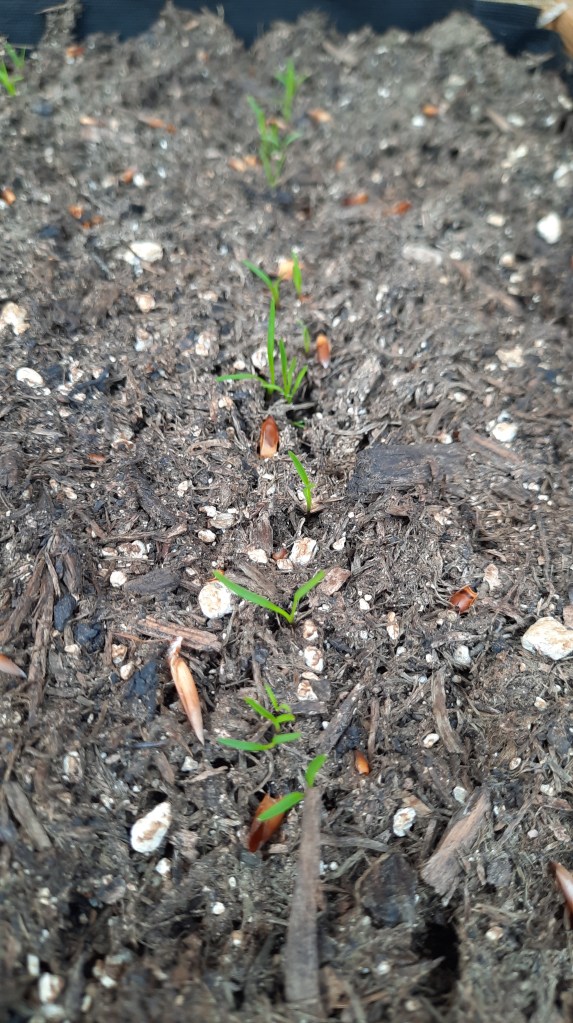
Teeny tiny carrot seedlings – I count them every day…

Of course not all of this will be ready to eat in August, but quite a lot of it will. Looking at all my plants, caring for them every day, I find myself gradually becoming more optimistic about the variety of meals I’ll be able to cook without going to a supermarket. Imagine a slow cooker dish with onions, potatoes, carrots, porcini and thyme…. Yes, I’d sign up for that!

‘Shopping’ without a list

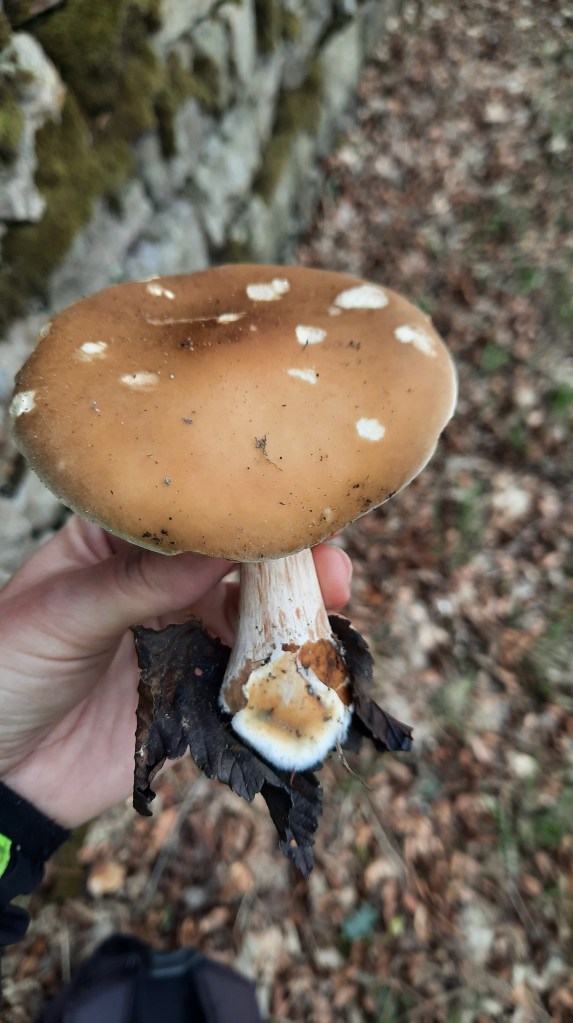
Everyone knows that going shopping when hungry, and worse, without a list, means that you end up with more than you’ll need. It was a bit like that on my forage this afternoon! Having decided to pick my own supper, and having vaguely decided on some kind of soup, I headed for the woods with a large rucksack. First up was a Spring Cavalier mushroom that I’d passed on my trike ride this morning. It was a nice big one.

Spring Cavalier mushroom

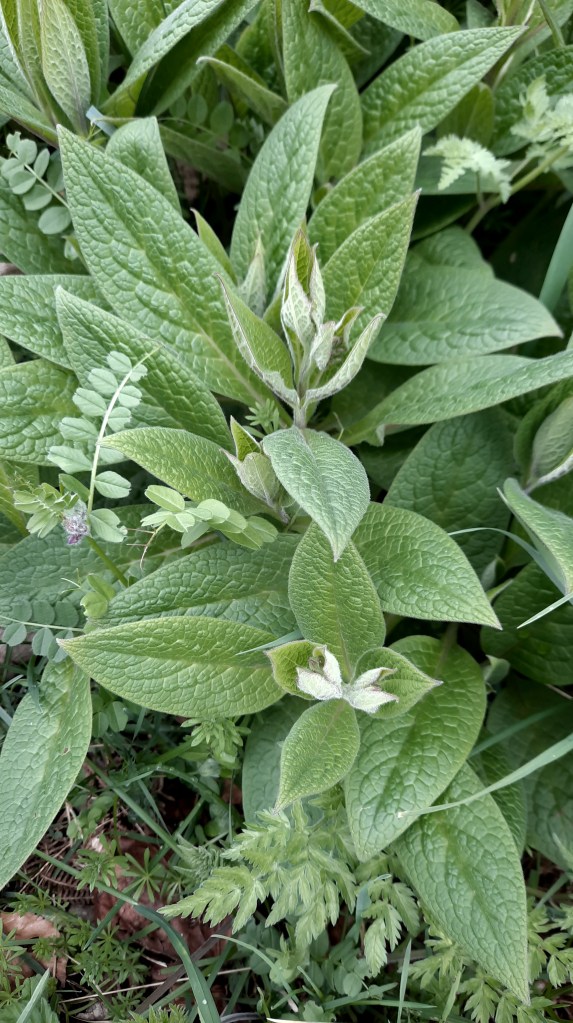
Further along I spotted the first Vetch of the season. They are a member of the pea family. I decided to leave them for the moment as there weren’t very many and I know a bumpy track through the fields where they usually grow in abundance later on in the season. The Comfrey is also making a strong appearance everywhere! Below, the Vetch (small leaves with purple flower) and Comfrey (large leaves) can be seen in the same photo:

Vetch and Comfrey

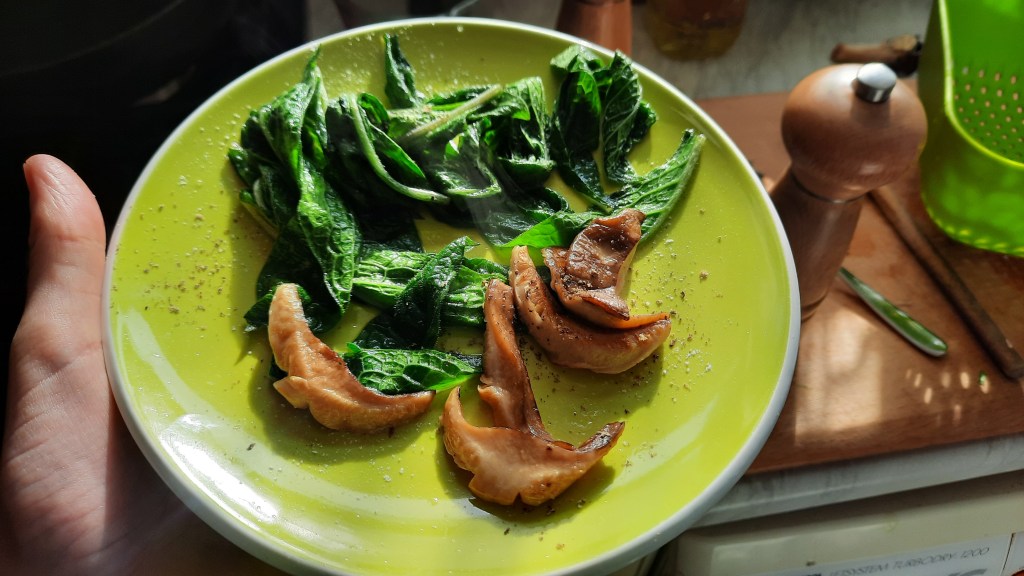
Now, Comfrey is a bit ‘loaded’ in the sense that older sources list it as edible, while more recent sources list it as toxic. In this blog I don’t want to persuade anyone to either eat it or avoid it, so please do your own research and then make your own decision. Personally I believe that our ancestors (who ate Comfrey) probably had a balanced approach to foraging and didn’t exclusively eat one thing all the time. So that’s the approach I will take, too. Comfrey is delicious and a small amount every now and then is what I enjoy. I stir-fried it together with the Spring Cavalier as a starter to my meal:

Comfrey and Spring Cavalier

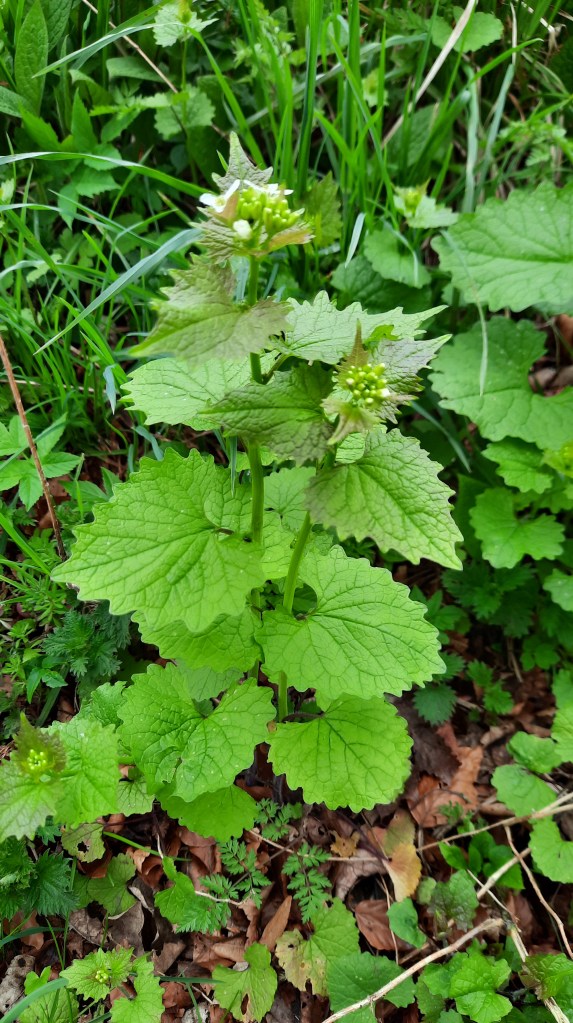
Walking on, I was building the meal in my mind. With the starter sorted, I now concentrated on picking things for the main course. The Garlic Mustard is shooting up, so that went in my bag:

Garlic Mustard

It wasn’t long after this that the eternal fields of Ground Elder loomed on the horizon, a huge carpet of green. Several big handfuls of that also went into my ‘shopping trolley’! Completing the meal were some lovely soft leaves of Wild Garlic. Walking out of the woods, past the imaginary ‘checkout’, I walked into our kitchen, where not long after that a delicious aromatic soup was bubbling away. All free, all green, all healthy and delicious.

Next time I’ll give an update on everything that’s growing on our own plot!

Beyond survival

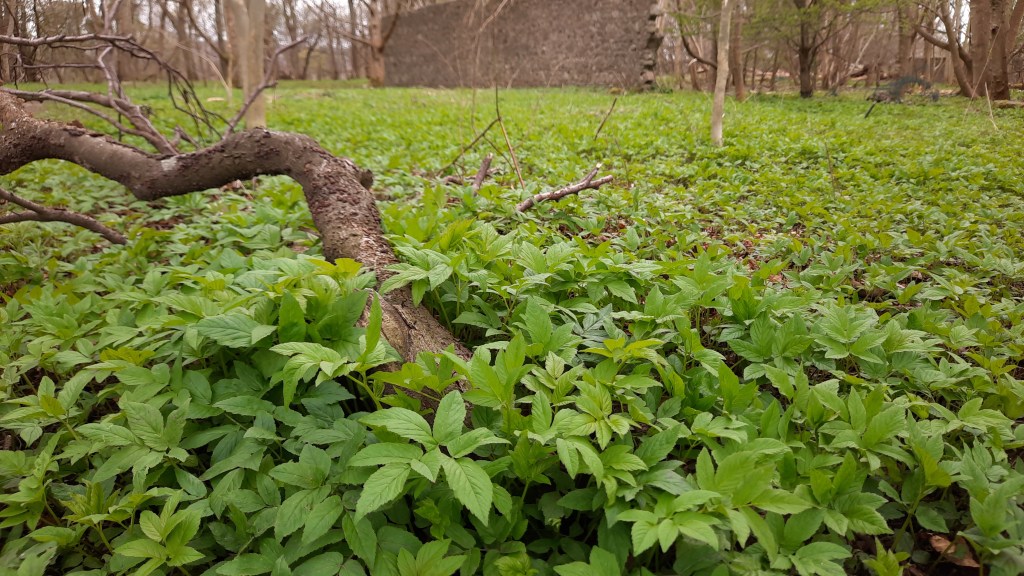
Ground elder

Yesterday morning I was out early to forage Ground Elder for our soup. I was greeted by a sea of green: newly emerging leaves as far as the eye could see. I was thinking that this site alone would be enough to feed each person in our local community several times in the coming weeks. And that’s just one place – Ground elder grows pretty much everywhere, which means most people don’t live far from a patch of tasty free vegetables.

Throughout April and May, if you didn’t have much else to eat, you could survive on this. In August (when I’m eating wild for a month) Ground Elder will no longer be available, but there will be other things that I will attempt to live on. However, I came to realise afresh in recent days that the food we eat is not just about bodily survival. “Food” fills our bodies, but “a meal” does more. Sharing a meal strengthens social bonds; lighting a candle signifies a special moment, time to be still and savour what’s on your plate. Even the very simplest of foods can be turned from ‘filling’ into ‘fulfilling’ when prepared with respect and eaten mindfully.

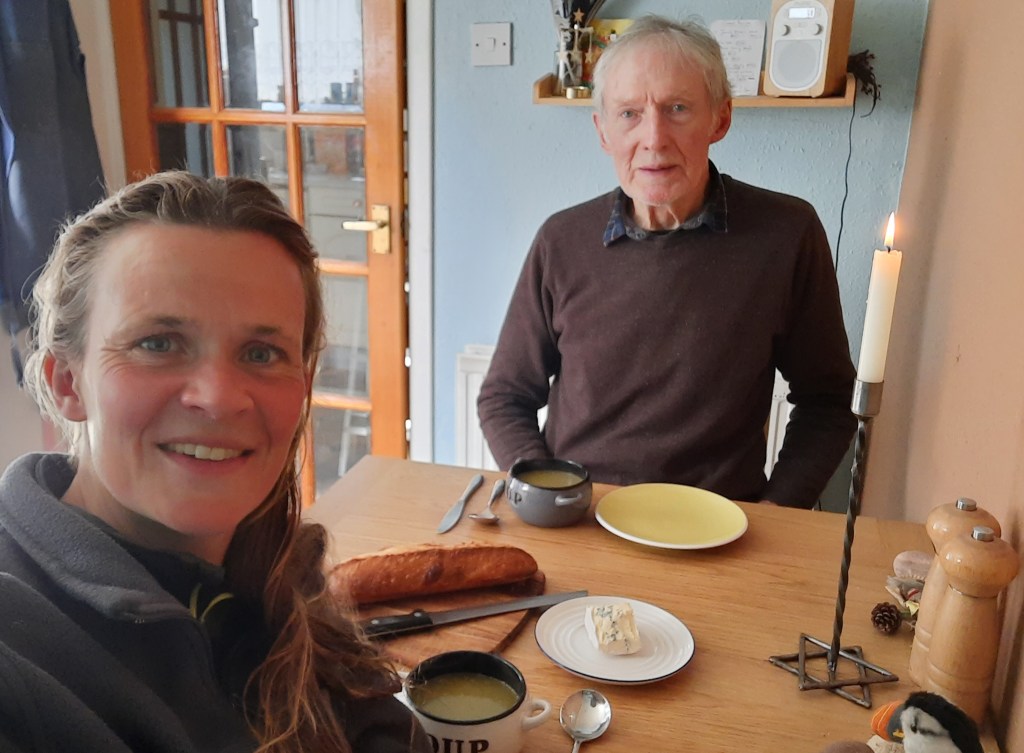
Sharing Ground Elder soup and sourdough baguette
More Ground Elder soup on our picnic

Last night we enjoyed our soup (Ground Elder, potato and onion) and shared a loaf of freshly baked sourdough. Today we took some of the soup with us on a cycling trip and heated it up on the camping stove. Eating it there, out in a field, with all our senses alive, made me feel so grateful for the natural world that we are part of. I said ‘thank you’ to the Ground Elder with every spoonful!

Spring has sprung

Back on UK soil, I’ve noticed that things suddenly have started to happen: ground elder is shooting out of the ground, comfrey is everywhere (I’ll write about that one a little later), and butterbur stalks are getting longer and thicker. Plus, there is a new kid in town: Sweet Cicely (Myrrhis odorata).

Sweet cicely

It’s growing alongside a path near our house that we call the “bumpy track”. It’s an old country lane that somehow has escaped the tarmac epidemic. There are no streetlights and it’s a great spot for watching bats in the evening twilight.

Sweet cicely has a few lookalikes; most notably Cow Parsley and Poison Hemlock (and they all grow along this bumpy track!). There are visual features that help you decided which is which, but there is another feature that is more helpful than that: the smell! The Latin ‘odorata’ means ‘scented’, and it’s obvious why Sweet Cicely was given this name. When you break off a part of the leaf and sniff the stem, you get a strong aniseed smell. For this reason it is often used as a sweetener, for instance in rhubarb crumbles.

John and I just like to make a drink with it. To make a nice tea for 1 person, get a handful of Sweet Cicely leaves, chop them finely, and put in a strainer. Add whatever you like. Personally I put Chaga and Scots Pine needles with everything, because they are a ‘forest in a mug’. Add freshly boiled water and leave to infuse for as long as you like. Add sugar to taste (none for me, but John likes his sweet stuff), sit back and relax!