Mushrooms come in all sorts of shapes and sizes. Some of them, on the unlucky end of the spectrum, are more likely to attract ‘haha’ reactions on social media than others. The one below is called a ‘stinkhorn’, but you can bet your life that’s not what people call it:
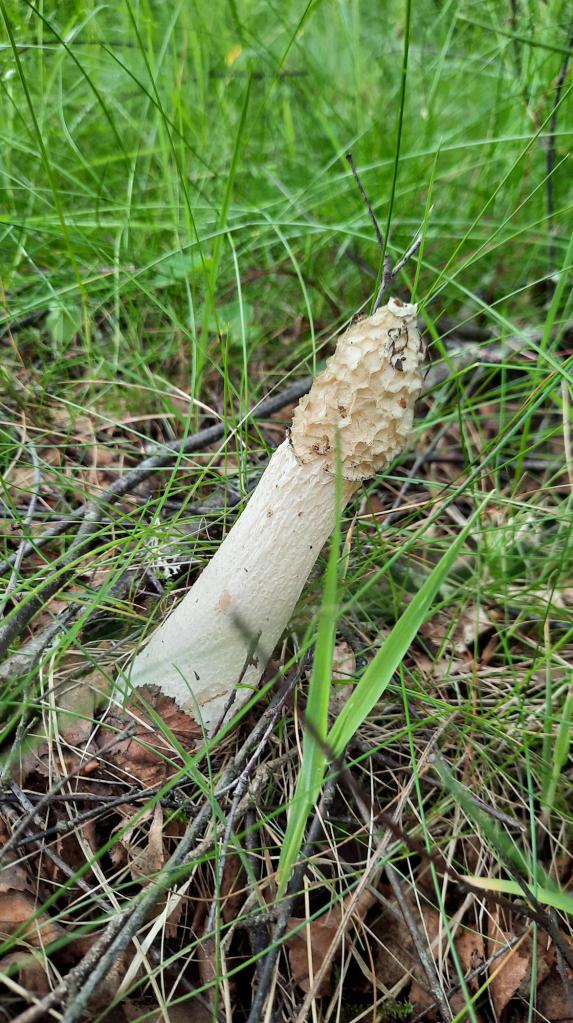
This one seems to divide opinions: to some people it smells as if something has died, whereas to other people it smells like honey. Thankfully, I’m in the latter category. This evocatively shaped fungus is indeed edible, but perhaps reserved for more intimate dinners or friends with a sense of humour.
Another ‘first’ for me this week was the Porcelain fungus, growing invitingly on a beech tree:
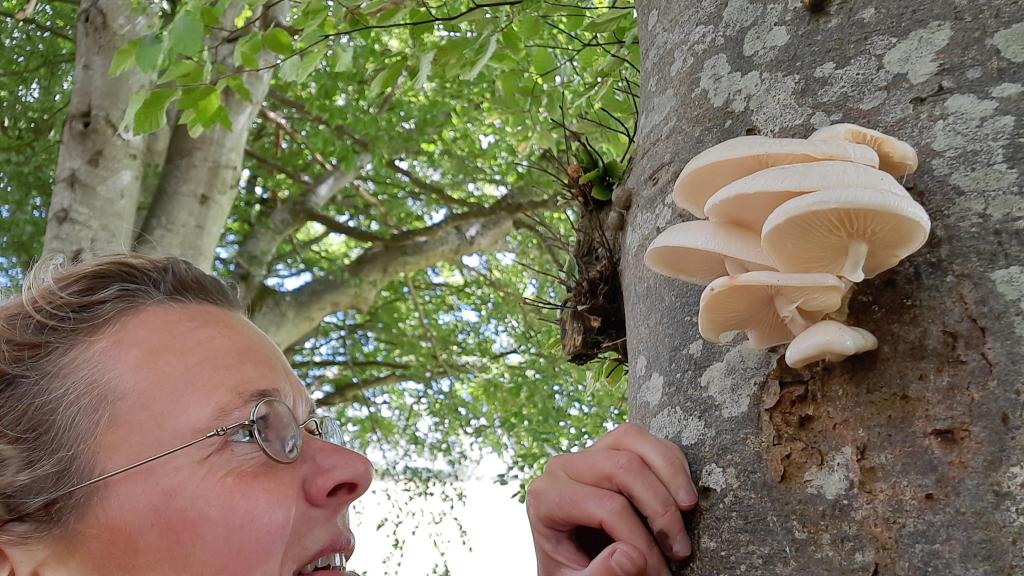
Look how the light almost shines through it:
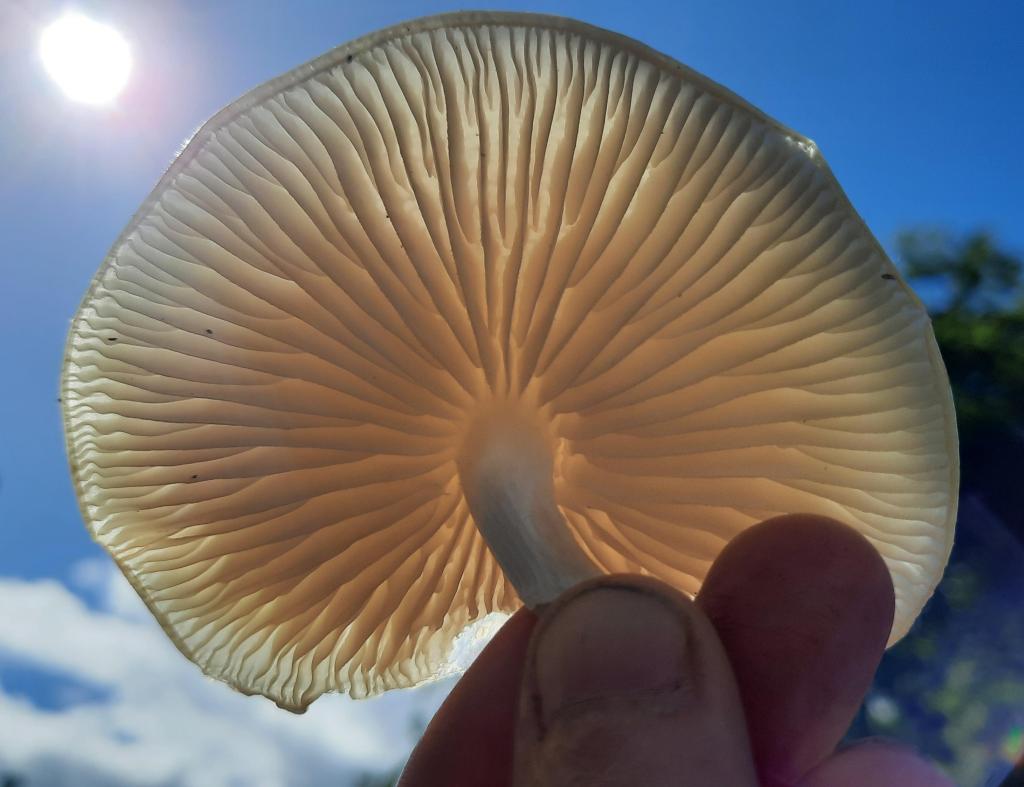
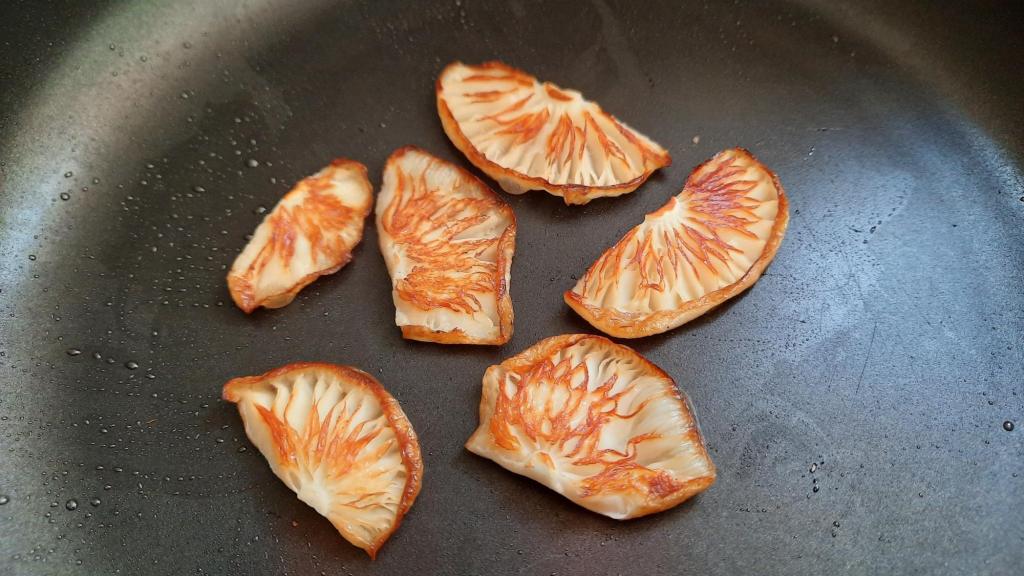
Almost too beautiful to eat…. almost! They taste sweet, a bit like Velvet Shanks, but more unidimensional. And a very nice fleshy bite. I will go back later this week to see if more have grown.
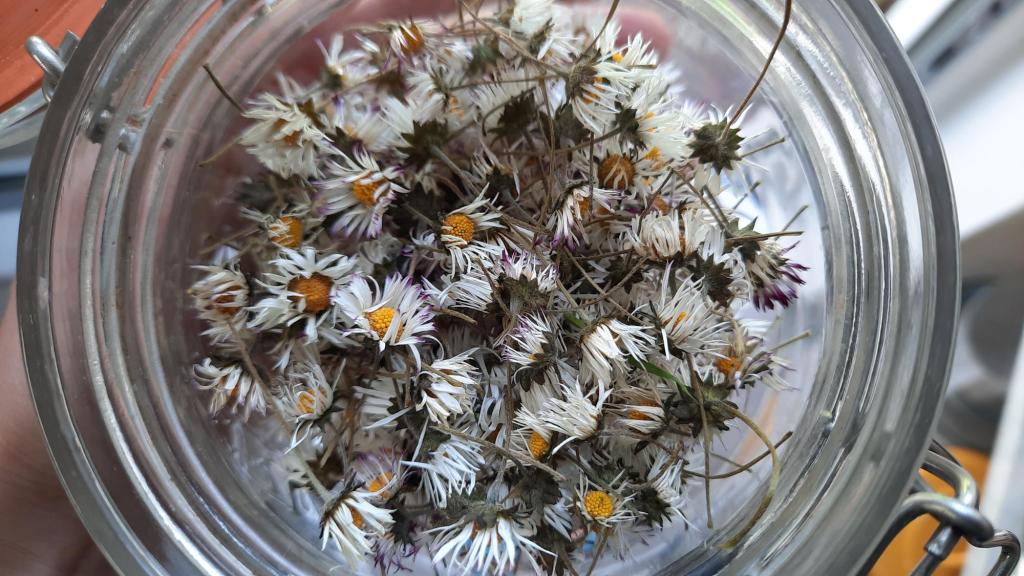
In the drinks department, things are revving up. In our garden I rescued daisies from sure decapitation (when John grabs hold of the lawn mower he really rocks it), by drying them in a low temperature oven. They make a delightful tea.
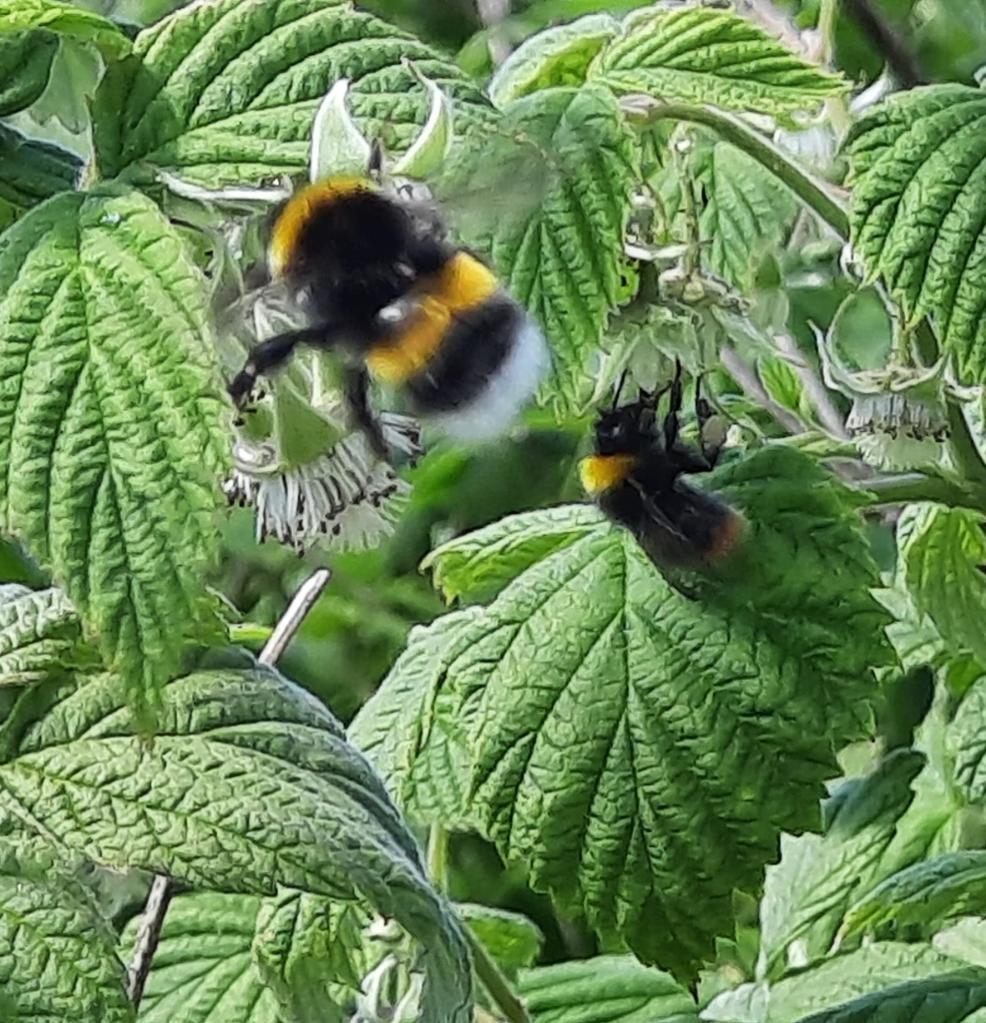
Finally, it’s been a week of bees. I’m currently trying to find a way of persuading our local housing estate company Dandara to create a wildflower garden. Or at least to stop the senseless fortnightly mowing of the large swathes of grass surrounding the estate. On Thursday I walked there when they were mowing, and just one patch of clover was left. It was completely covered in bees – all trying to hold on to the last few flowers. I asked the mowers if they could please spare that patch. But they said no. The ‘local residents’ would complain if they didn’t mow everything. Well, if these local residents prefer an ecological desert over a thriving habitat for insects and birds, it’s no wonder the world is in the state it is. I’ve written to my local councillor (again) to ask for help in the matter – will keep you posted. Meanwhile, please enjoy this picture of two bees hard at work. Without them, our society would collapse. If you read this and you want to make a difference to their fate (and ours!), consider the kinds of plants you have in your garden (do bees like them?), where your food comes from (has pesticide been used?), and have a look around your neighbourhood to see where you might initiate change. It all does help!
 The healthy forager